
Finding the best cars for insurance in Ontario can save you hundreds — even thousands — of dollars each year. In a province where auto insurance rates are among the highest in Canada, the vehicle you drive plays a major role in what you pay each month — sometimes more than simply switching insurers.
Insurance companies assess premiums based on safety ratings, repair costs, theft rates, and claims history. Cars that are reliable, affordable to fix, and equipped with modern safety features consistently attract lower premiums—whether you’re navigating Toronto traffic or icy winter roads.
In this guide, we’ve rounded up 20 of the lowest-premium vehicles available in Ontario, spanning sedans, compact SUVs, pickups, and hybrids — so you can make a smarter choice before stepping into any dealership.
Discover the Best Cars for Insurance in Ontario
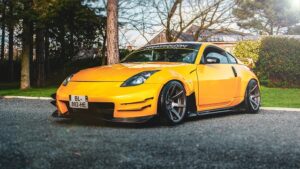
Why Car Choice Matters for Insurance in Ontario
Insurance companies in Ontario rely heavily on historical data when pricing premiums. They analyse how often a specific car model is involved in accidents, how severe those claims are, and how expensive repairs tend to be. Cars that are reliable, widely available, and equipped with standard safety features generally result in fewer high-value claims, which makes them cheaper to insure over time.
1. Honda Civic
The Honda Civic has long been one of the most insurance-friendly cars in Ontario. Its reputation for reliability, excellent fuel economy, and affordable parts keeps repair costs low after minor accidents. Insurers also value its consistent safety performance and predictable driving behaviour, making it a strong choice for students, commuters, and families looking to control insurance expenses.
2. Toyota Corolla
The Toyota Corolla is another top contender for low insurance premiums in Ontario. This sedan is known for durability, low maintenance costs, and strong crash-test ratings. Because the Corolla is not considered a high-risk or high-performance vehicle, insurance companies typically classify it as low risk, which helps keep annual premiums more affordable for everyday drivers.
3. FIAT 500
The FIAT 500 is a compact city car that often attracts lower insurance rates due to its small engine size and lower replacement costs. Its lightweight build and modest performance reduce accident severity, which insurers favour. While it may not suit large families, it’s an excellent choice for urban drivers focused on keeping insurance and ownership costs low.
4. Mitsubishi Mirage
The Mitsubishi Mirage is one of the most affordable cars to insure in Ontario, largely because of its low horsepower and minimal repair costs. Insurers see this vehicle as low risk due to its conservative design and economical performance. It’s especially appealing for first-time drivers or anyone looking for a budget-friendly car with predictable insurance expenses.
5. Chevrolet Spark
Chevrolet Spark stands out as a low-premium option thanks to its compact size and cost-effective repair profile. The vehicle’s safety features and low claim history help insurers justify lower premiums. For drivers who mainly travel short distances or commute in busy city traffic, the Spark offers insurance savings without sacrificing basic comfort or efficiency.
6. Nissan Versa
The Nissan Versa is well-known for offering excellent value, both in purchase price and insurance affordability. Its simple engineering and strong safety ratings help keep claims smaller and less frequent. Insurance providers appreciate its low theft risk and affordable replacement parts, making it a smart option for drivers aiming to minimise long-term insurance costs.
7. Volkswagen Tiguan
The Volkswagen Tiguan is a compact SUV that balances safety, comfort, and reasonable insurance premiums. Despite being an SUV, it benefits from advanced safety features and solid crash-test results. Insurers often rate it more favourably than larger or luxury SUVs, making it a practical choice for families who want space without excessive insurance costs.
8. Mazda CX-3
The Mazda CX-3 delivers sporty styling with insurance-friendly characteristics. Its smaller engine size and dependable safety systems help keep risk levels manageable for insurers. The CX-3 is also relatively inexpensive to repair compared to larger SUVs, which contributes to lower premiums while still offering the elevated driving position many Ontario drivers prefer.
9. Subaru Forester
Subaru Forester earns lower insurance rates largely due to its outstanding safety reputation. Standard all-wheel drive improves control in harsh Ontario winters, reducing accident risk. Insurers also value its strong resale value and durable construction, which help limit claim severity and keep overall insurance premiums more reasonable.
10. Honda CR-V
The Honda CR-V remains one of the most popular SUVs in Ontario, and its insurance costs are surprisingly manageable. The vehicle’s strong safety technology, dependable performance, and affordable repairs make it attractive to insurers. Families often choose the CR-V because it balances space, reliability, and predictable insurance expenses over the long term.
11. Toyota RAV4
The Toyota RAV4 is another family-friendly SUV that performs well in insurance rankings. Its high safety scores, low repair frequency, and moderate engine options help reduce insurer risk. Because the RAV4 has a long track record of reliability, insurance companies often offer competitive premiums compared to other SUVs in its class.
12. Nissan Rogue
Nissan Rogue is widely recognised for offering good insurance value among compact SUVs. Its standard safety features and relatively low theft rates help insurers keep premiums in check. The Rogue is often chosen by families who want comfort and cargo space without facing the high insurance costs associated with larger or luxury SUVs.
13. Mazda CX-5
The Mazda CX-5 blends premium design with insurance-friendly performance. Although slightly more expensive than subcompact SUVs, it benefits from strong crash-test results and reliable engineering. Insurance providers consider it a lower-risk SUV, especially compared to turbocharged or luxury alternatives, making it a solid middle-ground choice.
14. Ford Transit
The Ford Transit is surprisingly one of the cheapest vehicles to insure in Ontario. Its low theft risk, strong safety design, and predictable use patterns help insurers price it affordably. Often used for business or family transport, the Transit tends to generate fewer high-risk claims compared to sporty or luxury vehicles.
15. Ford Ranger
The Ford Ranger is a pickup truck with relatively modest insurance premiums compared to full-size trucks. Its smaller footprint and controlled performance reduce accident severity. Insurers view it as more practical than aggressive, which helps keep premiums lower for drivers who need utility without excessive insurance costs.
16. GMC Canyon
The GMC Canyon is another midsize pickup that remains insurance-friendly. It offers durability and safety without the extreme power of larger trucks. Because repairs are generally less expensive than full-size pickups, insurers often offer more reasonable rates, especially for drivers using the vehicle for daily commuting.
17. Jeep Wrangler
Despite its rugged image, the Jeep Wrangler often maintains reasonable insurance premiums. Its strong resale value and durable design help reduce claim losses. Many insurers consider it less risky than high-performance SUVs, especially when driven responsibly, making it a unique but cost-effective insurance choice.
18. Chevrolet Cruze
The Chevrolet Cruze is a compact sedan with a history of affordable insurance rates. Its reliable safety systems and modest engine options help insurers keep premiums lower. The Cruze is a practical choice for daily commuting and long drives, offering steady insurance savings over the life of the vehicle.
19. Toyota Prius
The Toyota Prius benefits from a strong reputation for safety and efficiency. Insurers often reward its lower accident severity and eco-friendly driving profile with moderate premiums. While replacement parts can be slightly higher, the Prius’s low claim frequency helps balance insurance costs for Ontario drivers.
20. Hyundai Kona
The Hyundai Kona is a compact SUV that combines modern safety features with reasonable insurance rates. Its smaller size and reliable build help reduce insurer risk. For drivers wanting newer technology and SUV styling without paying high premiums, the Kona stands out as a smart, insurance-friendly option.
Final Thoughts
Choosing the right car can significantly reduce your insurance costs in Ontario. Vehicles with strong safety records, affordable repairs, and low theft rates consistently receive better insurance pricing. By selecting one of these 20 low-premium picks, you’re not just buying a car—you’re making a long-term financial decision that can save money year after year.
FAQS
1. What does “Best Cars for Insurance in Ontario” actually mean?
The term ‘Best Cars for Insurance in Ontario’ refers to vehicles that typically attract lower insurance premiums due to strong safety ratings, lower repair costs, good theft protection, and moderate engine performance. Insurance providers assess these factors to determine risk, and cars scoring well across them are considered more affordable to insure for Ontario drivers.
2. Why are some cars cheaper to insure in Ontario than others?
The best cars for insurance in Ontario are usually cheaper because insurers look at claim history, accident rates, repair expenses, and safety technology. Vehicles with fewer claims, readily available parts, and strong crash-test results pose less financial risk. This results in reduced premiums compared to luxury, sports, or high-performance models.
3. Are sedans better than SUVs for insurance costs in Ontario?
Many of the best cars for insurance in Ontario are sedans because they generally have lower purchase prices, lighter frames, and cheaper repair costs. However, compact SUVs with advanced safety features can also be affordable to insure. The final cost depends more on safety ratings and claim history than body style alone.
4. Do safety features lower insurance premiums in Ontario?
Yes, vehicles considered among the best cars for insurance in Ontario often include safety features like automatic emergency braking, lane-keeping assist, and blind-spot monitoring. These technologies reduce accident frequency and severity, which insurers reward with lower premiums. Cars without modern safety systems usually cost more to insure.
5. Are used cars cheaper to insure than new ones in Ontario?
Many of the best cars for insurance in Ontario are used models because their lower market value reduces claim payouts. However, older cars without safety upgrades may cost more to insure than newer models with advanced protection. Balancing vehicle age, safety features, and repair costs is key to minimising insurance expenses.
6. How does vehicle repair cost affect insurance rates in Ontario?
The best cars for insurance in Ontario typically have affordable and widely available replacement parts. Vehicles that require specialised labour or imported parts cost more to repair, increasing insurance premiums. Cars from popular manufacturers usually benefit from lower repair costs, making them more insurer-friendly in Ontario.
7. Do hybrid cars cost less to insure in Ontario?
Some of the best cars for insurance in Ontario include hybrids, especially those with proven reliability records. While hybrids may have higher repair costs for certain components, insurers often offset this with strong safety scores and lower accident rates. Premiums vary by model rather than fuel type alone.
8. Are luxury vehicles ever considered affordable to insure in Ontario?
Most of the best cars for insurance in Ontario are not luxury vehicles because luxury models are expensive to repair and replace. Even with advanced safety systems, higher claim values raise premiums. Entry-level trims from premium brands may be cheaper, but they still rarely match mainstream cars in insurance affordability.
9. How does engine size impact insurance premiums in Ontario?
The best cars for insurance in Ontario often have smaller or moderately powered engines. Larger engines and turbocharged models are associated with higher speeds and increased accident severity. Insurers factor this into risk calculations, leading to higher premiums for powerful vehicles compared to fuel-efficient, lower-horsepower cars.
10. Does theft rate influence car insurance costs in Ontario?
Yes, the best cars for insurance in Ontario usually have lower theft rates or strong anti-theft systems. Vehicles frequently targeted by thieves raise insurance risk. Cars equipped with immobilisers, tracking systems, and secure entry features are less likely to be stolen, keeping premiums more affordable.
11. Are family cars cheaper to insure than sporty cars in Ontario?
Most of the best cars for insurance in Ontario are family-orientated vehicles designed for comfort and safety rather than speed. Sporty cars often have higher accident and claim rates, which increase premiums. Family cars with solid safety records and predictable driving behaviour are generally more attractive to insurers.
12. How does a car’s safety rating affect Ontario insurance prices?
Best Cars for Insurance in Ontario consistently earn high safety ratings from recognised testing organisations. Strong crash protection reduces injury claims and medical costs, which directly lowers insurer payouts. As a result, vehicles with excellent safety scores typically qualify for reduced insurance premiums across Ontario.
13. Are manual transmission cars cheaper to insure in Ontario?
Some of the best cars for insurance in Ontario come with manual transmissions because they are statistically involved in fewer thefts and high-speed incidents. However, the difference is usually minor. Insurers focus more on overall risk factors such as safety, repair costs, and vehicle history than transmission type alone.
14. Does brand reputation matter for insurance affordability in Ontario?
Yes, many of the best cars for insurance in Ontario come from brands known for reliability and safety. Insurers track long-term data, and brands with consistent claim performance often receive better rate classifications. A trusted reputation can positively influence premiums, especially for popular and dependable manufacturers.
15. Are electric cars expensive to insure in Ontario?
Not all electric vehicles qualify as Best Cars for Insurance in Ontario. While EVs offer safety benefits, battery repair costs can be high. Entry-level electric cars with strong safety ratings and affordable parts may have reasonable premiums, but luxury or high-performance EVs are usually more expensive to insure.
16. How does vehicle age affect insurance costs in Ontario?
The best cars for insurance in Ontario are often between three and seven years old. These vehicles balance lower market value with modern safety features. Very old cars may lack safety technology, while brand-new models cost more to replace. Insurers prefer vehicles that minimise both claim frequency and cost.
17. Can first-time drivers benefit from choosing low-insurance cars in Ontario?
Yes, selecting from the Best Cars for Insurance in Ontario can significantly reduce premiums for first-time drivers. Insurers view new drivers as higher risk, so choosing a safe, reliable, and affordable-to-repair vehicle helps offset that risk and keeps insurance costs more manageable.
18. Does trim level impact insurance pricing in Ontario?
The best cars for insurance in Ontario are often base or mid-level trims. Higher trims with performance upgrades, larger wheels, or advanced electronics cost more to repair. Even within the same model, trim level differences can noticeably affect premiums due to increased replacement and repair expenses.
19. How often do insurance rates change for specific car models in Ontario?
Insurance companies regularly update data, so the best cars for insurance in Ontario can change as claim patterns evolve. A model that was affordable one year may increase if accident or theft rates rise. Staying informed helps buyers choose vehicles that remain insurance-friendly over time.
20. Is choosing the right car more important than switching insurers in Ontario?
Choosing from the best cars for insurance in Ontario can have a bigger long-term impact than switching insurers. While comparing quotes is helpful, the vehicle itself determines base risk. A low-risk car keeps premiums consistently lower, regardless of insurer, driving history, or policy adjustments.
About the Author
Rio is the creator of EMIChecker and writes educational content on EMI calculations, loans, investment concepts, and personal finance tools. Through practical guides and calculators, Rio aims to help readers better understand financial topics and make more informed decisions.
Financial Disclaimer
The information and calculators provided on this website are for educational and informational purposes only and should not be considered financial, investment, tax, or legal advice.
Calculator results are estimates based on the information provided and may vary due to individual circumstances and market conditions.
Always consult a qualified financial professional before making any financial decisions.