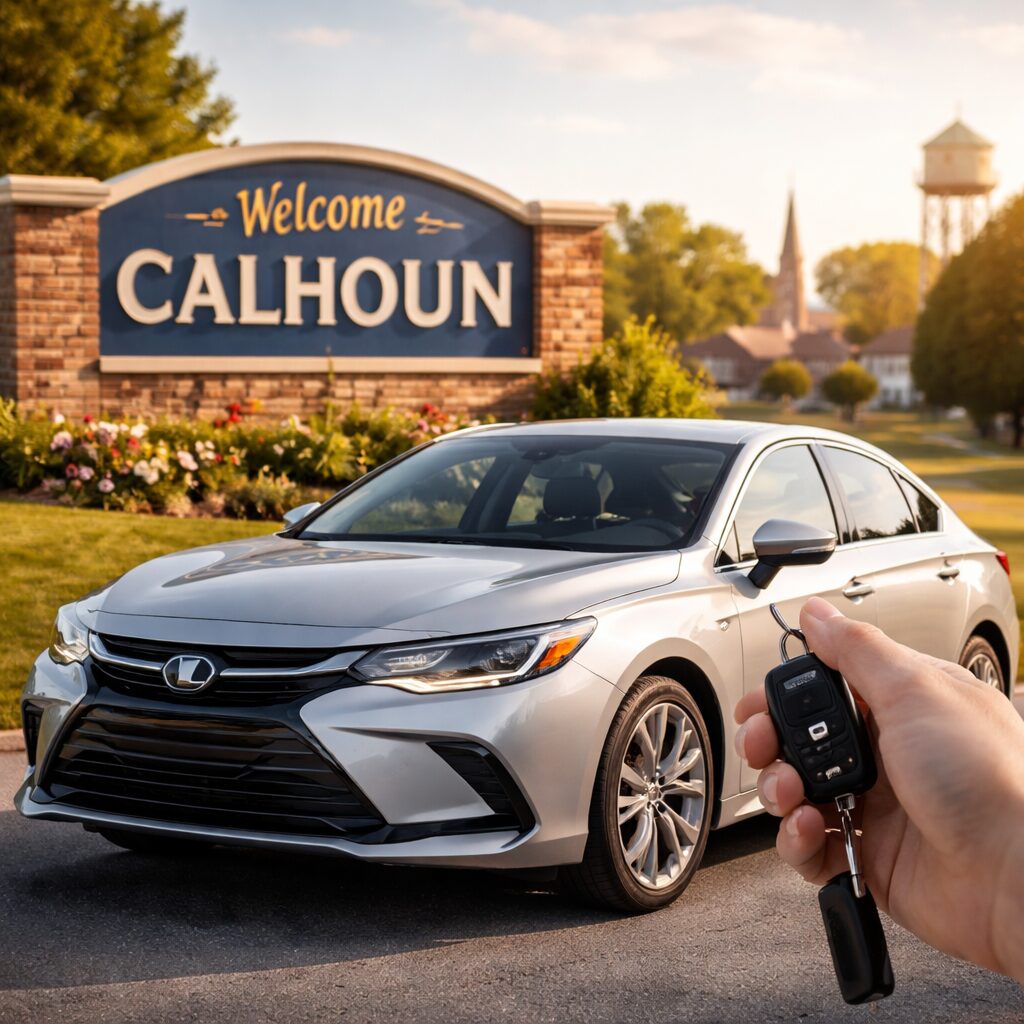
Can You Put Liability Insurance on a Financed Car: 20 Best Facts
Financing a car comes with several important responsibilities, especially when it comes to choosing the right type of insurance coverage. Can You Put Liability Insurance on a Financed Car is a common question buyers ask, mainly because lenders often have strict requirements that go beyond basic coverage. Understanding how liability insurance works with auto loans helps you avoid penalties, stay legally protected, and keep your vehicle ownership process smooth.
In this guide, we break down the 20 best facts you need to know about insurance requirements for financed cars, lender expectations, and what happens if you choose liability-only coverage. Whether you’re a first-time buyer or upgrading to a new vehicle, these insights will help you make confident, informed decisions while staying compliant with financing rules.

Understanding Liability Insurance for Financed Cars
Liability insurance covers damage you cause to other people or property in an accident. Many drivers wonder if they can use liability-only on a financed car because it’s cheaper. However, liability does not protect the financed vehicle itself, making it insufficient for lender requirements and risky for anyone still paying off a car loan.
2. Why Lenders Don’t Allow Liability-Only on Financed Cars
Lenders require more than liability insurance because they need protection for the vehicle they financed. Since the car is the lender’s collateral, they must ensure it stays covered against all damage risks. Liability-only does not protect the vehicle, so lenders reject it to prevent financial loss if the car is damaged or totaled.
3. Full Coverage vs Liability-Only: What’s the Difference?
Full coverage includes liability, collision, and comprehensive insurance, protecting both the driver and the vehicle. Liability-only covers others but offers no protection for the financed car. This difference is why lenders demand full coverage—without it, the vehicle’s value isn’t secure, and borrowers could face massive repair bills or loan defaults after an accident.
4. Legal Requirements vs Lender Requirements
State laws only require liability insurance to drive legally, but lenders require additional coverage to protect their financial stake. Many borrowers confuse legal minimums with financing rules. Even if liability meets the law, it still fails loan requirements, making full coverage mandatory until the loan balance is completely paid off.
5. Why Financed Cars Require Comprehensive and Collision
Comprehensive and collision insurance protect the car regardless of fault. Collision covers accident-related damage, while comprehensive protects against theft, fire, weather, and vandalism. Because financed cars still belong to the lender, these protections ensure the vehicle’s value remains intact, preventing financial losses that could affect both the borrower and the lender.
6. Can You Ever Switch to Liability-Only on a Financed Car?
You can only switch to liability-only after the loan is fully paid off. Once the lender no longer has ownership interest, full coverage is no longer mandatory. At that point, you become the sole owner and can choose the insurance type that best fits your financial situation and personal needs.
7. What Happens if You Drop Full Coverage Early?
If you remove full coverage while still financing the car, lenders will immediately intervene. Most lenders add “force-placed insurance,” a costly policy added to your loan without your permission. It provides minimal protection, increases monthly payments, and may cause loan default if unpaid. In severe cases, the lender can repossess the vehicle.
8. Is Liability Insurance Cheaper for Financed Cars?
Liability-only insurance is significantly cheaper than full coverage, which is why many drivers prefer it. However, financed cars cannot legally use liability-only. Although full coverage costs more, it protects against expensive repairs or total loss. For financed vehicles, full coverage is a required expense until the contract ends.
9. How Insurance Protects Lenders During a Loan Term
Insurance ensures the lender’s asset remains financially protected throughout the loan period. If the car suffers major damage or is stolen, full coverage pays for repairs or replacement. Without this protection, lenders could lose the value of the vehicle. Insurance ensures loan repayment continues even after costly incidents, protecting both lender and borrower.
10. Can You Finance a Car Without Full Coverage at Purchase?
No lender will allow you to drive away with a financed car unless you provide proof of full coverage. Dealerships and banks verify your insurance before finalizing the contract. This requirement ensures that the vehicle is protected from the moment it leaves the dealership, eliminating any gap where the asset is unsecured.
11. What If Your Full Coverage Policy Lapses?
If your insurance lapses due to cancellation or nonpayment, lenders are notified automatically. They respond quickly by adding expensive lender-placed insurance to your loan. This type of coverage raises your monthly costs and offers limited protection. A lapse may also affect your credit score and violate your financing agreement.
12. Why Depreciation Matters in Financed Car Insurance
Financed vehicles depreciate quickly, especially in the first year. If the car is totaled without full coverage, liability-only would offer no payment for your own vehicle, leaving you with a large unpaid loan. Full coverage ensures depreciation does not cause financial stress after a major accident, protecting your remaining loan balance.
13. Gap Insurance and Liability-Only: Can They Work Together?
GAP insurance cannot be used with liability-only policies. GAP only activates when collision or comprehensive insurance declares a total loss. Since liability-only offers no such coverage, GAP becomes meaningless. Lenders require full coverage before allowing GAP because all three protections work together to secure the financed vehicle’s value.
14. What Insurance Is the Minimum Acceptable for Loan Approval?
The minimum insurance required for a financed car includes liability, collision, and comprehensive coverage. Some lenders also require specific deductible limits and may recommend extras like uninsured motorist coverage. These requirements ensure the financed vehicle stays protected throughout the loan, keeping both borrower and lender safe from financial losses.
15. Insurance Requirements for Used Financed Cars
Used financed cars follow the same insurance rules as new ones. Even if the car has lower market value, lenders still require full coverage because the vehicle remains collateral. Borrowers financing used cars must maintain comprehensive and collision insurance until the entire loan is paid off, preventing risk from unexpected damage.
16. Do Banks, Credit Unions, and Dealerships Have Different Rules?
While specifics may vary slightly, all lenders require full coverage. Banks and credit unions typically follow strict guidelines, while dealership financing may include additional insurance recommendations. Regardless of the lender type, no reputable financing source allows liability-only coverage because it fails to protect the vehicle that secures the loan.
17. States That Require More Than Liability (USA)
Some U.S. states require additional coverage beyond liability, such as Personal Injury Protection (PIP), Medical Payments coverage, or Uninsured Motorist protection. Even though these are state-level requirements, financed cars still need full coverage on top of them. Borrowers must meet both state laws and lender insurance standards simultaneously.
18. Insurance Exceptions for Special Vehicle Loans
In rare cases, certain financing types—such as personal loans used to purchase a car—may allow liability-only. This is because the lender does not use the car as collateral. However, traditional auto loans, lease agreements, and refinance loans all require full coverage. These exceptions are uncommon and depend heavily on loan structure.
19. Benefits of Keeping Full Coverage Until the Loan Ends
Maintaining full coverage on a financed car protects you from large financial losses after accidents, theft, or severe damage. It ensures your loan stays in good standing and eliminates the stress of unexpected repairs. Full coverage also supports faster vehicle recovery after a claim, keeping your daily transportation uninterrupted.
20. When You Can Finally Switch to Liability-Only After Financing
You can switch to liability-only once the loan is fully paid off and you receive the vehicle title. At this point, insurance choices depend solely on your preference, budget, and risk tolerance. Liability-only becomes an option for older or lower-value cars, but full coverage still provides better protection for newer vehicles.
FAQS
1. Can you put liability insurance on a financed car?
Can You Put Liability Insurance on a Financed Car if the lender requires full coverage? In most cases, the lender will not accept liability-only insurance because it does not protect their financial interest in the vehicle. Lenders generally require both collision and comprehensive coverage until the loan is completely paid off.
2. Why do lenders care about Can You Put Liability Insurance on a Financed Car?
Lenders focus on the question Can You Put Liability Insurance on a Financed Car because liability-only policies don’t cover damage to the financed car itself. Since the lender has ownership interest until the loan is paid, they require full coverage to prevent loss if the car is damaged or totaled.
3. Does state law affect Can You Put Liability Insurance on a Financed Car?
State laws only require minimum liability insurance, but the question Can You Put Liability Insurance on a Financed Car depends on lender rules. Even if your state allows liability-only, lenders usually demand more comprehensive protection to ensure the car remains financially protected while under financing.
4. What happens if you try Can You Put Liability Insurance on a Financed Car without approval?
If you attempt Can You Put Liability Insurance on a Financed Car without the lender’s approval, the lender may add force-placed insurance, which is extremely expensive. They may also consider your loan agreement violated, creating additional fees or risking repossession for breaking insurance requirements.
5. Are there exceptions to Can You Put Liability Insurance on a Financed Car?
The question Can You Put Liability Insurance on a Financed Car has rare exceptions. If the financing company allows reduced coverage for older vehicles or low loan amounts, they may accept liability-only. However, this is uncommon because liability-only still leaves the vehicle itself unprotected from accident or theft.
6. Can You Put Liability Insurance on a Financed Car if it’s almost paid off?
Many people ask Can You Put Liability Insurance on a Financed Car when they are close to paying off the loan. Typically, full coverage is required until the final payment. Once the loan is cleared, you can switch to liability-only if state laws allow and your risk tolerance is low.
7. Does credit score affect Can You Put Liability Insurance on a Financed Car?
Your credit score does not change the answer to Can You Put Liability Insurance on a Financed Car. Regardless of credit rating, lenders require full coverage because the loan is secured by the car itself. A better credit score may lower your insurance rates but not reduce required coverage.
8. Can You Put Liability Insurance on a Financed Car if it’s not worth much?
Even if your car’s value has decreased, Can You Put Liability Insurance on a Financed Car remains a lender decision. Lenders usually demand coverage that protects the vehicle until the loan is settled, regardless of market depreciation, to maintain financial security and minimize potential loss.
9. Do insurance companies allow Can You Put Liability Insurance on a Financed Car?
Insurance companies do allow liability-only policies, but Can You Put Liability Insurance on a Financed Car depends on the lender, not the insurer. The insurance company will sell it, but the lender may reject it because it doesn’t protect their investment if the vehicle is damaged.
10. What risks come with Can You Put Liability Insurance on a Financed Car?
The main risk with Can You Put Liability Insurance on a Financed Car is that your own vehicle won’t be covered for accidents, theft, natural disasters, or vandalism. This means you must pay out-of-pocket for repairs while still owing monthly loan payments, creating major financial strain.
11. Will switching affect Can You Put Liability Insurance on a Financed Car?
Drivers often wonder if switching insurers changes Can You Put Liability Insurance on a Financed Car rules. Lenders do not allow liability-only regardless of insurer. Even after switching companies, full coverage remains a requirement because the lender wants continued protection on the financed vehicle.
12. Can You Put Liability Insurance on a Financed Car after refinancing?
After refinancing, some ask whether Can You Put Liability Insurance on a Financed Car under the new lender. All financing institutions still require full coverage for protection. Refinancing may change rates or terms, but insurance requirements remain consistent until the vehicle loan is completely satisfied.
13. Can You Put Liability Insurance on a Financed Car if it’s a second-hand car?
Even with a used vehicle, the question Can You Put Liability Insurance on a Financed Car has the same answer—most lenders require full coverage. Financing a pre-owned car does not change insurance obligations since the lender still needs assurance that the car is financially protected.
14. Can You Put Liability Insurance on a Financed Car if the lender is private?
With private lenders, Can You Put Liability Insurance on a Financed Car depends on the agreement terms. Some private lenders are flexible, but most still require full coverage. They want to avoid a total loss scenario where the borrower cannot repay the loan after major vehicle damage.
15. Why is the answer to Can You Put Liability Insurance on a Financed Car usually no?
The question Can You Put Liability Insurance on a Financed Car usually receives a “no” because liability-only policies don’t cover the car you are financing. Lenders require full coverage to protect their loan investment, ensuring they are reimbursed if the vehicle is damaged or completely destroyed.
About the Author
Rio is the creator of EMIChecker and writes educational content on EMI calculations, loans, investment concepts, and personal finance tools. Through practical guides and calculators, Rio aims to help readers better understand financial topics and make more informed decisions.
Financial Disclaimer
The information and calculators provided on this website are for educational and informational purposes only and should not be considered financial, investment, tax, or legal advice.
Calculator results are estimates based on the information provided and may vary due to individual circumstances and market conditions.
Always consult a qualified financial professional before making any financial decisions.