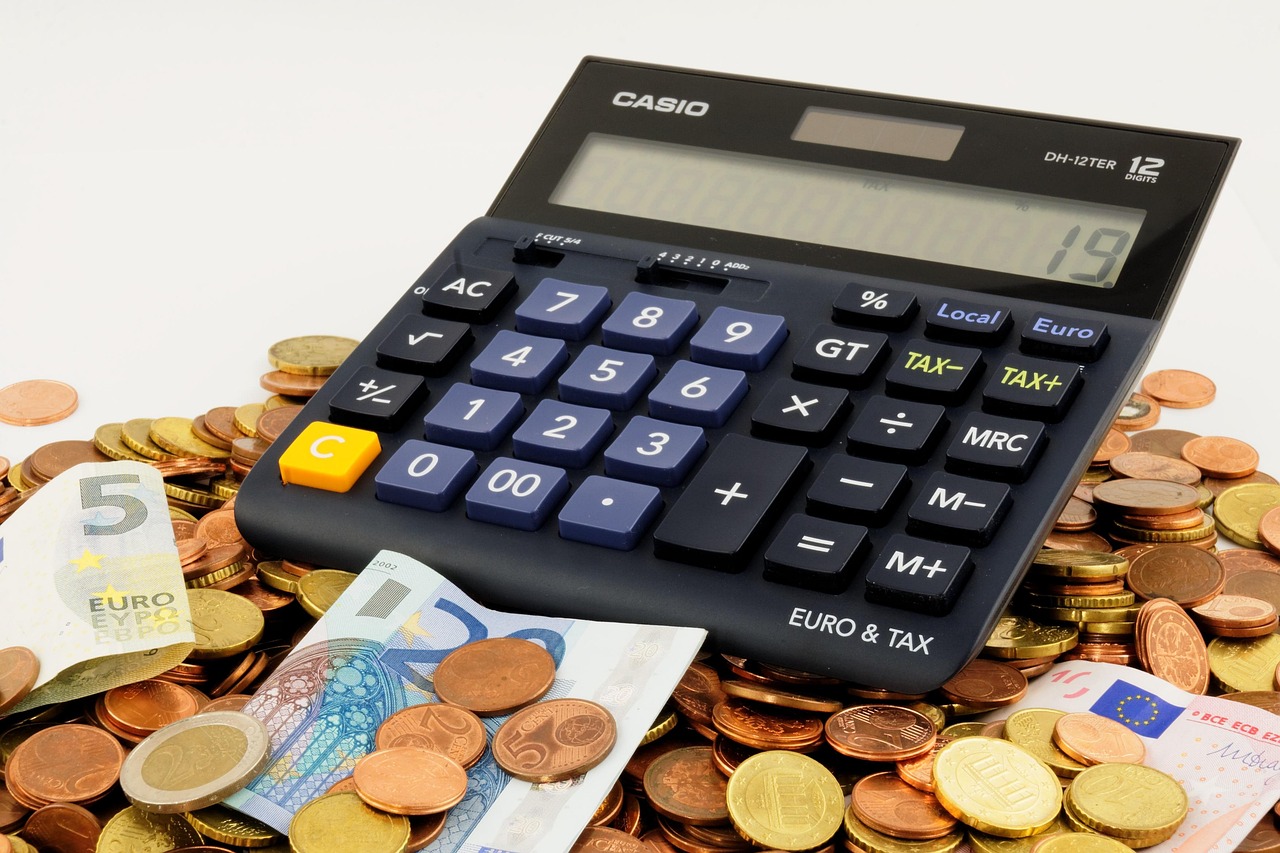
Accurately calculating sales tax is one of the most critical tasks for businesses, whether small or large. Errors in sales tax calculation can lead to hefty penalties, compliance issues, and even audits that disrupt operations. By using a reliable sales tax calculator, you can automate complex calculations, ensure accuracy across multiple regions, and prevent financial mistakes. These tools save businesses time, reduce stress, and help maintain proper financial records, allowing business owners to focus on growth strategies, customer satisfaction, and long-term profitability without worrying about tax errors.

Why You Need a Sales Tax Calculator
Manual sales tax calculations are prone to human error and can quickly become overwhelming as your business grows. With varying rates across states, counties, and cities, even small mistakes can accumulate into significant liabilities. A professional sales tax calculator ensures precise calculations, streamlines invoicing, and generates accurate reports automatically. Businesses benefit from reduced workload, faster transaction processing, and peace of mind knowing that they are fully compliant. Whether you sell products online, offline, or internationally, a sales tax calculator is a vital tool to save time, reduce errors, and maintain financial accuracy.
Important Elements of a Sales Tax Calculator
When selecting a sales tax calculator, certain features make a major difference in efficiency and accuracy. Look for tools that provide real-time tax rate updates, support multi-state or international taxation, and integrate seamlessly with your e-commerce or accounting platforms. Additionally, calculators that offer detailed reporting, automated invoicing, and user-friendly dashboards can simplify your daily operations. Reliable customer support, regular software updates, and customizable tax settings are essential features that help ensure compliance, accuracy, and scalability as your business grows, making your investment in such tools worthwhile in the long run.
Top 20 Sales Tax Calculators to Consider
Free Tools
1. TaxJar Free Calculator – A simple, reliable tool for basic tax rate calculations with integration options for online stores. It ensures small businesses can manage their tax compliance without investing in complex software.
2. Avalara Rate Calculator – Provides precise, real-time tax rates across all U.S. states, allowing businesses to calculate taxes quickly and accurately without worrying about outdated information.
3. Sovos Free Tax Calculator – Designed for small businesses, this tool is easy to use and delivers fast results, helping you ensure tax compliance without the complexity of enterprise-level software.
Paid Tools
4. TaxJar Pro – Offers advanced features like automated filings, multi-state support, and detailed reporting. Ideal for businesses experiencing rapid growth and needing a reliable tax solution.
5. Avalara AvaTax – Enterprise-grade software that automates tax calculations, tracks changing regulations, and integrates with numerous accounting platforms, saving businesses significant time and reducing errors.
6. Vertex Cloud – Best for businesses with complex tax scenarios or international sales, providing precise, scalable solutions that ensure compliance across multiple jurisdictions.
E-commerce Integrated Tools
7. Shopify Tax Calculator – Seamlessly integrated with Shopify stores, automatically calculates sales tax during checkout, reducing manual errors and improving customer trust.
8. WooCommerce Tax Plugin – A powerful plugin for WordPress-based online stores, offering real-time tax rates and detailed reporting to simplify compliance.
9. BigCommerce Tax Tool – Supports multiple tax jurisdictions, provides automatic updates, and streamlines checkout processes for online retailers with extensive product catalogs.
Enterprise Solutions
10. Sovos Compliance – Ideal for multinational corporations, offering robust features to handle complex sales tax requirements, automate filings, and ensure regulatory compliance.
11. CCH SureTax – Supports specific industries like telecom, energy, and utilities, providing tailored solutions for accurate tax reporting and automation.
12. Thomson Reuters ONESOURCE – Comprehensive enterprise solution that manages multiple tax types, integrates with ERP systems, and ensures compliance in global markets.
How to Choose the Right Sales Tax Calculator
Selecting the right sales tax calculator requires careful consideration of your business size, sales channels, and industry requirements. Evaluate how the tool integrates with your existing accounting or e-commerce platforms and compare pricing against offered features. Additionally, review customer support options, scalability, and ease of use. Free trials or demo versions are particularly helpful in understanding the software’s functionality, allowing you to make an informed decision that maximizes both accuracy and operational efficiency while reducing risks of compliance errors.
Tips to Maximize Accuracy and Savings
To get the most out of your sales tax calculator, keep your customer location and business data updated regularly, as tax rates can vary by region or district. Automate reporting and invoicing wherever possible to minimize human errors, and periodically audit your transactions to ensure compliance with local and state regulations. Staying proactive with updates, software maintenance, and data verification allows your business to maximize both accuracy and financial savings while reducing the risk of penalties, making your tax management processes more efficient and reliable.
A reliable sales tax calculator is a must-have tool for any business aiming to save time, reduce errors, and ensure compliance with local, state, and international tax regulations. By automating calculations, generating accurate reports, and integrating with your business systems, these tools provide both financial clarity and operational efficiency. Explore the top 20 calculators mentioned and select the one that fits your needs to maximize accuracy, optimize savings, and simplify sales tax management today.
FAQS
FAQ 1: What is Sales Tax and why is it important?
Sales Tax is a government-imposed tax added to the price of goods and services at the point of sale. Sales Tax is important because it helps fund public services like roads, schools, and emergency services. For consumers and businesses, understanding Sales Tax ensures accurate billing, legal compliance, and better financial planning.
FAQ 2: How is Sales Tax calculated on purchases?
Sales Tax is usually calculated as a percentage of the purchase price of a product or service. The Sales Tax rate can vary depending on state, city, or local laws. To calculate Sales Tax, multiply the item’s price by the applicable tax rate and add that amount to the total cost.
FAQ 3: Who is responsible for collecting Sales Tax?
In most cases, businesses are responsible for collecting Sales Tax from customers at the time of sale. The collected Sales Tax must then be reported and paid to the government authority. Failure to properly collect or submit Sales Tax can result in penalties, fines, or legal consequences for businesses.
FAQ 4: Are there items that are exempt from Sales Tax?
Yes, certain goods and services may be exempt from Sales Tax depending on local laws. Common exemptions include groceries, prescription medications, or educational materials. These Sales Tax exemptions are designed to reduce the tax burden on essential items, though Sales Tax rules vary widely by region.
FAQ 5: How does Sales Tax affect online shopping?
Online purchases may still be subject to Sales Tax, even if the seller is located in another state. Many governments now require e-commerce businesses to collect Sales Tax based on the buyer’s location. Understanding Sales Tax rules for online shopping helps consumers avoid surprises and ensures fair taxation.
FAQ 6: What is the difference between Sales Tax and use tax?
Sales Tax is charged at the time of purchase by the seller, while use tax applies when Sales Tax was not collected during the sale. Use tax ensures that Sales Tax is still paid on taxable items bought from out-of-state or online sellers, helping governments maintain fair Sales Tax enforcement.
FAQ 7: How do Sales Tax rates vary by location?
Sales Tax rates vary by country, state, city, and even local districts. A single purchase can include multiple layers of Sales Tax, such as state and local taxes. Because Sales Tax rates change frequently, consumers and businesses should always verify current Sales Tax percentages before completing transactions.
FAQ 8: Do small businesses have to charge Sales Tax?
In many regions, small businesses must charge Sales Tax if they sell taxable goods or services. Some jurisdictions offer thresholds or exemptions, but once exceeded, Sales Tax collection becomes mandatory. Understanding Sales Tax rules helps small businesses stay compliant and avoid audits or penalties related to unpaid Sales Tax.
FAQ 9: How does Sales Tax impact business pricing strategies?
Sales Tax directly affects how businesses price their products and services. Companies must decide whether to include Sales Tax in listed prices or add it at checkout. Accurate Sales Tax handling ensures transparency, protects profit margins, and helps customers clearly understand the final cost including Sales Tax.
FAQ 10: Is Sales Tax refundable in any situation?
Yes, Sales Tax may be refundable in certain situations, such as returned items or overcharged transactions. Businesses usually refund the Sales Tax along with the purchase price. Proper Sales Tax documentation is essential to ensure refunds are processed correctly and reported accurately in Sales Tax filings.
FAQ 11: How often do businesses need to file Sales Tax returns?
Sales Tax filing frequency depends on business size and local regulations. Some businesses file Sales Tax monthly, while others may file quarterly or annually. Timely Sales Tax filing helps avoid late fees, interest charges, and compliance issues, making Sales Tax management a key accounting responsibility.
FAQ 12: What happens if Sales Tax is not paid on time?
Failing to pay Sales Tax on time can result in penalties, interest, and audits. Governments treat Sales Tax seriously because businesses collect it on their behalf. Consistently missing Sales Tax deadlines can damage a company’s reputation and finances, highlighting the importance of accurate Sales Tax tracking.
FAQ 13: Can Sales Tax be automated for businesses?
Yes, many accounting and eCommerce tools can automate Sales Tax calculation, collection, and reporting. Automation reduces human error and ensures Sales Tax rates are applied correctly. Using software to manage Sales Tax saves time and helps businesses stay compliant with changing Sales Tax regulations.
FAQ 14: Does Sales Tax apply to services as well as products?
In some regions, Sales Tax applies to both products and services, while in others it only covers physical goods. Service-based Sales Tax rules vary widely, making it important to review local laws. Understanding when Sales Tax applies prevents accidental non-compliance and unexpected Sales Tax liabilities.
FAQ 15: Why should consumers understand Sales Tax?
Consumers benefit from understanding Sales Tax because it affects the final price they pay. Awareness of Sales Tax helps with budgeting, comparing prices, and identifying incorrect charges. Knowing basic Sales Tax rules empowers buyers to make informed purchasing decisions and recognize when Sales Tax errors occur.
About the Author
Rio is the creator of EMIChecker and writes educational content on EMI calculations, loans, investment concepts, and personal finance tools. Through practical guides and calculators, Rio aims to help readers better understand financial topics and make more informed decisions.
Financial Disclaimer
The information and calculators provided on this website are for educational and informational purposes only and should not be considered financial, investment, tax, or legal advice.
Calculator results are estimates based on the information provided and may vary due to individual circumstances and market conditions.
Always consult a qualified financial professional before making any financial decisions.