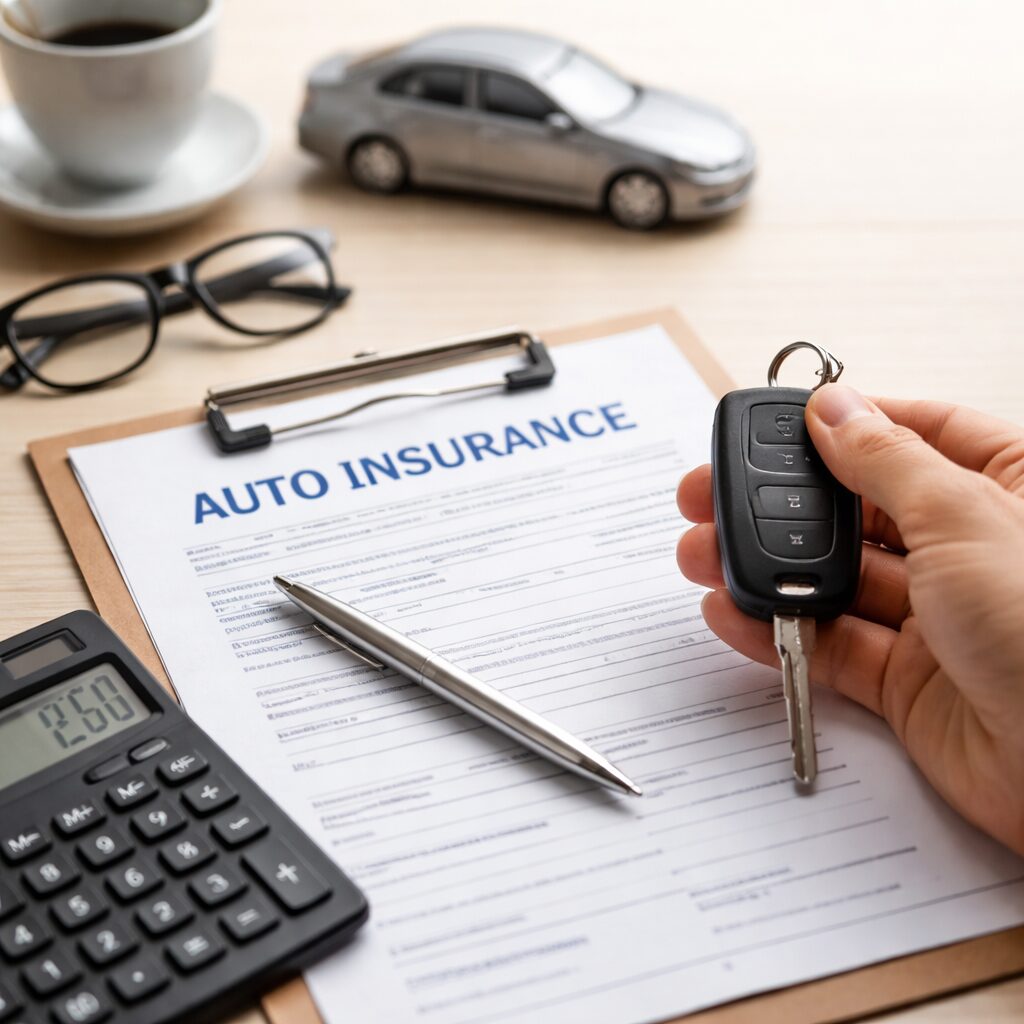
Auto insurance is no longer just a legal requirement—it’s a financial safety net that can either protect your budget or quietly drain it. Many drivers end up overpaying simply because they don’t understand how pricing works. The good news is that getting accurate auto insurance at a cheaper rate is absolutely possible. With the right strategies, you can lower your premium while still maintaining strong, reliable coverage that actually protects you when it matters most.
1. Understand What Accurate Auto Insurance Really Means
Accurate auto insurance means having coverage that perfectly matches your needs without paying for unnecessary extras or leaving dangerous gaps. Many people either over-insure their vehicle or choose minimum coverage that fails during claims. The key is balance—understanding your car’s value, your driving habits, and financial risk tolerance so your policy reflects your real-world situation instead of a generic package.
2. Compare Multiple Insurance Quotes Before Buying
Comparing several insurance companies before choosing one is one of the best methods to save money. For the same coverage, prices can differ greatly amongst providers. You can get a comprehensive impression of the market rate by looking at three to five quotes. Additionally, it prevents you from overspending because of brand loyalty or a lack of investigation.
3. Choose the Right Type of Coverage for Your Needs
Not every driver needs full coverage, and not everyone should settle for minimum liability insurance. If your car is older, a lower coverage plan might make sense. However, for newer or financed vehicles, comprehensive and collision coverage are often essential. Choosing the right type of coverage ensures you are not wasting money while still staying financially protected in case of accidents.
4. Increase Your Deductible to Lower Premiums
Raising your deductible is a simple but powerful premium. A higher deductible means you pay more out of pocket during a claim, but your monthly or yearly premium drops significantly. This strategy works best for drivers who rarely file claims and have enough savings to cover the higher deductible if needed.
5. Maintain a Clean Driving Record Over Time
Insurance companies reward safe drivers with lower premiums. Avoiding accidents, traffic violations, and claims can significantly reduce your insurance costs over time. Even a single speeding ticket can increase your premium. Practicing defensive driving and staying cautious on the road not only keeps you safe but also helps you qualify for long-term savings.
6. Bundle Your Insurance Policies for Discounts
Bundling your auto insurance with other policies like home or renters insurance can unlock substantial discounts. Many insurers offer multi-policy deals that reduce overall costs. This strategy is especially useful if you already have other types of insurance, as combining them under one provider simplifies management while saving money.
7. Take Advantage of All Available Discounts
Most insurance companies offer a wide range of discounts that many drivers overlook. These can include safe driver discounts, good student discounts, low-mileage discounts, and even discounts for installing safety features in your car. Always ask your insurer about available discounts, as applying even a few can significantly lower your premium.
8. Improve Your Credit Score for Better Rates
In many regions, your credit score plays a role in determining your insurance premium. A higher credit score signals financial responsibility, which insurers often associate with lower risk. Paying bills on time, reducing debt, and maintaining a healthy credit profile can gradually improve your score and lead to more affordable insurance rates.
9. Drive Less to Qualify for Low-Mileage Discounts
You can be eligible for usage-based insurance plans or low-mileage reductions if you don’t drive much. These applications monitor your driving behaviour and provide rewards for limited and safe driving. You can reduce your yearly mileage and insurance premiums by cutting back on pointless travel and, whenever feasible, utilising alternate modes of transportation.
10. Choose a Car That Is Cheaper to Insure
The type of car you drive has a major impact on your insurance premium. Vehicles with high safety ratings, lower repair costs, and lower theft rates are generally cheaper to insure. Before purchasing a car, it’s wise to research insurance costs associated with that model to avoid unexpected expenses later.
11. Install Safety and Anti-Theft Devices
Adding safety features such as anti-lock brakes, airbags, and anti-theft devices can reduce your insurance premium. These features lower the risk of accidents and theft, which makes your vehicle less risky to insure. Many insurance companies offer discounts for cars equipped with advanced safety technology, making it a worthwhile investment.
12. Review Your Policy Regularly for Better Deals
Your insurance needs change over time, but many people forget to update their policies. Reviewing your policy annually allows you to adjust coverage, remove unnecessary add-ons, and find better deals. Life changes such as moving, changing jobs, or buying a new car can all impact your insurance requirements and pricing.
13. Avoid Paying for Unnecessary Add-Ons
While add-ons like roadside assistance and rental coverage can be useful, not all of them are necessary for every driver. Some of these extras can significantly increase your premium without providing much value. Carefully review each add-on and only keep the ones that truly benefit your situation to avoid wasting money.
14. Pay Your Premium Annually Instead of Monthly
Many insurance providers charge extra fees for monthly payment plans. Paying your premium annually can help you avoid these additional costs and sometimes even earn a discount. While it requires a larger upfront payment, it can save you money in the long run and simplify your financial planning.
15. Stay Loyal, But Always Compare Options
Loyalty discounts can be helpful, but they should not stop you from exploring better options. Insurance companies may gradually increase premiums over time, even for loyal customers. Comparing quotes every year ensures you are still getting the best deal and prevents you from overpaying due to complacency.
16. Use Usage-Based Insurance Apps Wisely
Usage-based insurance programs track your driving habits using mobile apps or devices. Safe driving behaviors such as smooth braking and limited night driving can earn you discounts. However, it’s important to understand how your data is used and ensure you are comfortable with the level of monitoring before enrolling in such programs.
17. Work With a Knowledgeable Insurance Agent
A good insurance agent can help you find the best coverage at the lowest price. Independent agents, in particular, can compare multiple providers on your behalf. They can also explain complex policy details and identify savings opportunities that you might miss on your own, making them a valuable resource.
18. Check Legal Requirements in Your Area
Every region has minimum insurance requirements that drivers must meet. Understanding these requirements helps you avoid fines and legal issues while ensuring you remain compliant. However, minimum coverage is not always enough, so it’s important to balance legal compliance with adequate financial protection
Conclusion
Finding cheap and accurate auto insurance is not about cutting corners—it’s about making smarter decisions. By understanding your needs, comparing options, and using practical strategies, you can significantly reduce your premium without sacrificing protection. The key is to stay informed, review your policy regularly, and take advantage of every opportunity to save. Over time, these small changes can lead to substantial financial benefits.
FAQs
1. What is accurate auto insurance, and why is it important?
‘Accurate Auto Insurance’ refers to a policy that precisely matches your driving habits, vehicle type, and coverage needs without unnecessary add-ons. Choosing Accurate Auto Insurance ensures you are neither underinsured nor overpaying. It helps protect you financially during accidents while offering peace of mind, making it a smart and reliable choice for responsible vehicle owners.
2. How can I choose the best accurate auto insurance policy?
To find the best accurate auto insurance, compare multiple providers, check coverage details, and evaluate claim settlement ratios. Focus on policies that align with your budget and driving needs rather than just low premiums. Accurate Auto Insurance should provide balanced protection, transparency, and responsive customer support to ensure you get real value when it matters most.
3. How does Accurate Auto Insurance help in saving money over time?
Accurate Auto Insurance helps you avoid paying for unnecessary coverage while ensuring you are fully protected for real risks. By tailoring the policy to your driving behaviour and vehicle usage, it minimises wasteful expenses. Over time, Accurate Auto Insurance reduces unexpected out-of-pocket costs and offers better financial stability during accidents or repairs.
4. Can Accurate Auto Insurance improve claim approval chances?
Yes, Accurate Auto Insurance improves claim approval chances because your policy is correctly aligned with your needs and disclosures. When all details are accurate, insurers face fewer discrepancies during claims. This transparency makes Accurate Auto Insurance more reliable, helping you receive faster approvals and smoother claim settlements without unnecessary complications.
5. Is Accurate Auto Insurance suitable for new drivers?
Accurate Auto Insurance is especially beneficial for new drivers, as it provides coverage tailored to their experience level and potential risks. Instead of generic plans, Accurate Auto Insurance ensures beginners are adequately protected without paying excessive premiums, helping them build confidence while staying financially secure on the road.
6. How does Accurate Auto Insurance affect premium costs?
Accurate auto insurance directly impacts premium costs by matching pricing to real risk factors like driving history and vehicle type. This prevents overcharging and ensures fair pricing. With Accurate Auto Insurance, you only pay for what you truly need, making it a cost-effective option compared to one-size-fits-all policies.
7. What factors are considered in Accurate Auto Insurance policies?
Accurate Auto Insurance considers factors such as driving history, vehicle condition, usage patterns, and location. These elements help insurers create a customised policy that reflects real risk. By using these details, Accurate Auto Insurance provides more precise coverage and better value compared to generic insurance plans.
8. Can Accurate Auto Insurance reduce claim rejections?
Yes, Accurate Auto Insurance can reduce claim rejections because all information is properly aligned with the policy terms. When your coverage matches your real situation, insurers are less likely to dispute claims. Accurate Auto Insurance ensures clarity and consistency, making the claims process smoother and more dependable.
9. How often should I update my Accurate Auto Insurance policy?
You should review and update your Accurate Auto Insurance policy at least once a year or after major changes like buying a new car or relocating. Keeping your details current ensures your Accurate Auto Insurance remains relevant and effective, helping you maintain proper coverage without unnecessary costs.
10. Does Accurate Auto Insurance include comprehensive coverage options?
Accurate Auto Insurance can include comprehensive coverage options depending on your needs. It allows you to choose protection against theft, natural disasters, and damages beyond collisions. With Accurate Auto Insurance, you can customise your plan to ensure complete protection without paying for irrelevant features.
- Are typical insurances inferior to Accurate Auto Insurance?
Accurate Auto Insurance is often better than standard policies because it focuses on personalisation rather than generic coverage. This tailored approach ensures you get the right level of protection at the right price. Accurate Auto Insurance delivers more value by eliminating unnecessary coverage and focusing on real risks.
12. How does Accurate Auto Insurance support safe driving habits?
Accurate Auto Insurance encourages safe driving by rewarding responsible behaviour through lower premiums and better coverage options. Some policies even track driving habits to offer benefits. This makes Accurate Auto Insurance a smart choice for drivers who prioritise safety and want to save money over time.
13. Can Auto Insurance be customised easily?
Yes, Auto Insurance is designed to be highly customisable, allowing you to adjust coverage based on your needs. Whether you want basic or comprehensive protection, Auto Insurance gives you flexibility, ensuring your policy evolves with your lifestyle and driving patterns.
14. Does Auto Insurance cover all types of vehicles?
Auto Insurance can cover a wide range of vehicles, including cars, SUVs, and even commercial vehicles. The key advantage is its ability to tailor coverage according to the specific type and usage. This ensures Auto Insurance remains effective regardless of the vehicle you own.
15. What role does driving history play in Auto Insurance?
Driving history plays a major role in Accurate Auto Insurance, as it helps insurers assess risk more precisely. A clean record can lower premiums, while past incidents may influence coverage options. Auto Insurance uses this data to create a fair and balanced policy suited to your profile.
16. Can auto insurance protect against unexpected expenses?
Auto Insurance is designed to protect you from unexpected expenses such as accident repairs, medical bills, and legal liabilities. By aligning coverage with real risks, Accurate Auto Insurance ensures you are financially prepared for unforeseen situations, reducing stress during emergencies.
17. Is Auto Insurance beneficial for long-term vehicle owners?
Auto Insurance is highly beneficial for long-term vehicle owners because it adapts as the vehicle ages and usage changes. This flexibility ensures continued value and relevance, making Accurate Auto Insurance a reliable choice for maintaining consistent protection over the years.
18. How does Auto Insurance handle policy renewals?
Auto Insurance simplifies policy renewals by reassessing your current needs and updating coverage accordingly. This ensures you are not stuck with outdated terms. With Accurate Auto Insurance, renewals become an opportunity to optimise your policy for better protection and pricing.
19. Can Auto Insurance include add-on benefits?
Yes, Auto Insurance often includes optional add-on benefits like roadside assistance, zero depreciation, and engine protection. These features can be added based on your requirements, allowing Accurate Auto Insurance to offer enhanced coverage without unnecessary extras.
20. Why should I compare options before choosing Auto Insurance?
Comparing options is essential to finding the best Accurate Auto Insurance policy that suits your needs and budget. It helps you evaluate coverage, pricing, and benefits across providers. Accurate auto insurance works best when carefully selected, ensuring maximum value and reliable protection for your vehicle.
About the Author
Rio is the creator of EMIChecker and writes educational content on EMI calculations, loans, investment concepts, and personal finance tools. Through practical guides and calculators, Rio aims to help readers better understand financial topics and make more informed decisions.
Financial Disclaimer
The information and calculators provided on this website are for educational and informational purposes only and should not be considered financial, investment, tax, or legal advice.
Calculator results are estimates based on the information provided and may vary due to individual circumstances and market conditions.
Always consult a qualified financial professional before making any financial decisions.