Managing debt responsibly is a critical part of long-term financial health. With rising interest rates and multiple credit options, keeping track of repayments can become difficult. Debt management software helps individuals organize debts, plan repayments, and make informed financial decisions using secure, data-driven tools rather than guesswork.
This article is designed for educational purposes only and does not provide financial advice. Readers are encouraged to evaluate tools carefully and consult certified financial professionals when making major financial decisions.

What Is Debt Management Software?
Debt management software is a digital tool that helps users track outstanding debts, monitor payments, calculate interest, and plan repayment strategies. These tools bring multiple loans, credit cards, and liabilities into one place, making financial obligations easier to understand and manage consistently.
Unlike debt settlement or relief companies, debt management software does not negotiate with creditors. Instead, it empowers users with information, reminders, and structured planning so they can manage debt responsibly and reduce financial risk over time.
Why Using Debt Management Software Is Important
Missed payments, poor tracking, and lack of budgeting are common reasons people fall deeper into debt. Debt management software reduces these risks by providing visibility into balances, due dates, and interest costs, helping users stay organized and avoid costly penalties.
By improving awareness and discipline, these tools support safer financial habits. Over time, consistent usage can reduce stress, improve repayment consistency, and help users regain control of their finances without relying on aggressive or risky debt solutions.
Qualities of Debt Management Software
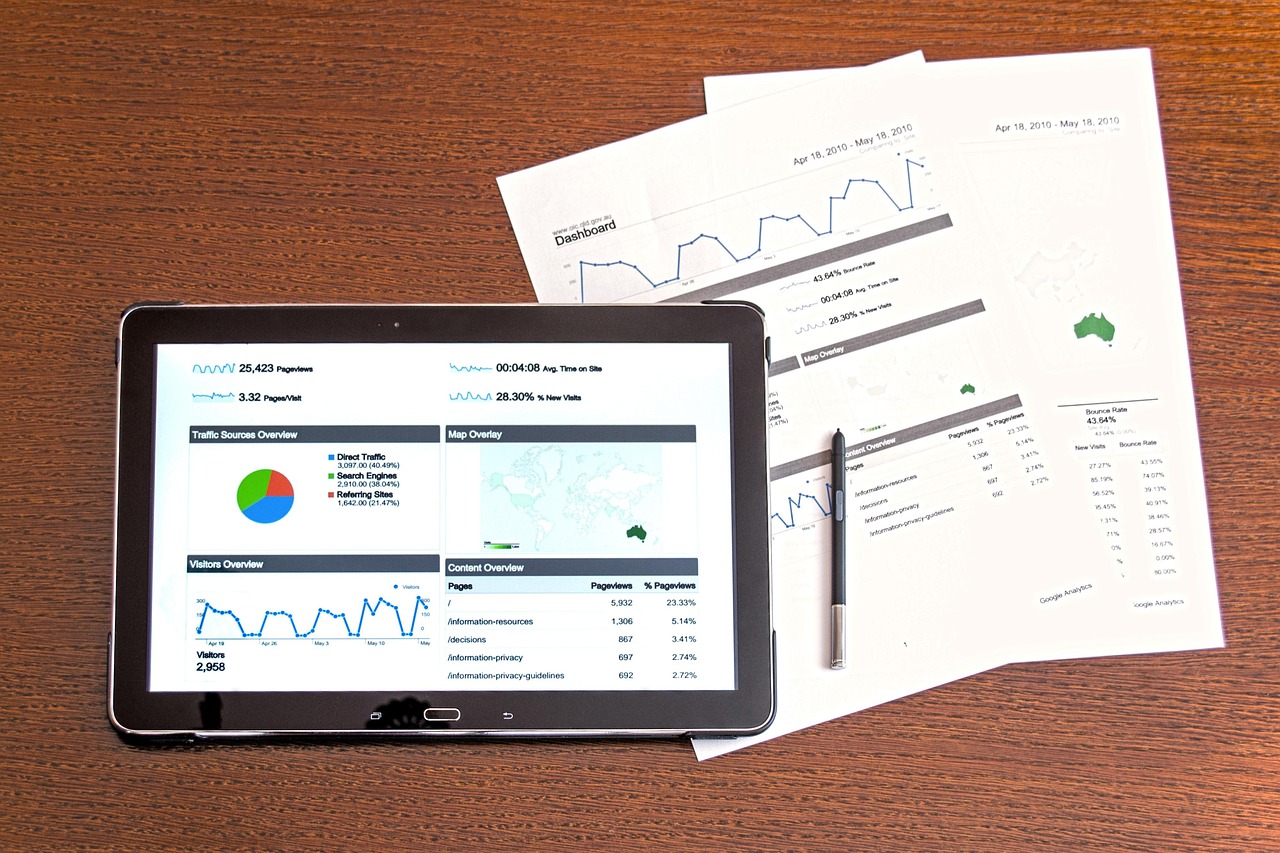
A reliable debt management tool should include accurate debt tracking, payment reminders, and clear reporting. Budgeting features, payoff calculators, and progress dashboards are also important for understanding how payments impact long-term financial outcomes.
Security is essential for YMYL content. Look for tools that use encryption, transparent privacy policies, and secure account access. Reputable software providers clearly explain how financial data is stored and protected, which is critical for maintaining user trust.
How We Selected the 20 Best Debt Management Tools
The tools included in this list were evaluated based on usability, security standards, calculation accuracy, and relevance to everyday financial needs. Preference was given to platforms with transparent pricing, positive user feedback, and consistent updates.
We also considered whether tools are suitable for different users, including individuals, families, and small business owners. No tool guarantees debt reduction, but the selected platforms offer reliable support for informed financial decision-making.
20 Best Debt Management Software Tools for Safer Finances
Tool #1: Overview
Each recommended tool provides core debt tracking features, repayment insights, and budgeting support. These tools help users visualize debt progress and understand how changes in payments affect timelines and interest costs.
Key Features
Common features include balance tracking, payment alerts, payoff calculators, and reporting dashboards. Some tools also offer bank integration, while others prioritize manual control for users who prefer privacy and simplicity.
Best For
Different tools suit different needs. Some are best for beginners managing personal debt, while others work better for advanced users who want detailed reports or multi-account tracking.
Pros and Cons
No tool is perfect. Users should weigh ease of use, cost, security, and support. Choosing software that aligns with financial habits is more important than selecting the most feature-rich option.
Free vs Paid Debt Management Software
Free debt management software can be helpful for basic tracking and awareness. These tools often provide essential features like balance monitoring and simple reminders, making them suitable for users with straightforward financial needs.
Paid tools typically offer advanced reporting, automation, and customer support. For users managing multiple debts or seeking detailed insights, paid options may provide better long-term value, provided the pricing is transparent and reasonable.
Is Debt Management Software Safe to Use?
Most reputable debt management tools use industry-standard encryption and secure authentication methods. However, users should always review privacy policies and understand how their data is collected, stored, and shared before linking financial accounts.
Avoid tools that lack transparency or make unrealistic promises. Safe debt management software focuses on organization and planning, not guarantees of debt elimination or credit score improvement.
Who Should Use Debt Management Software?
Debt management software is useful for individuals with multiple loans, credit card balances, or irregular income. It is also beneficial for families managing shared expenses and small business owners tracking liabilities alongside cash flow.
Even users with minimal debt can benefit from these tools by building disciplined financial habits early, reducing the likelihood of future financial stress.
How to Choose the Right Debt Management Tool
Choosing the right tool depends on personal financial goals, technical comfort, and budget. Simple tools may be sufficient for basic tracking, while advanced users may need detailed analytics and customization options.
Always prioritize clarity, security, and reliability over flashy features. A tool that is easy to use consistently will deliver more value than one that is complex and underutilized.
Debt Management Software vs Credit Counseling
Debt management software provides self-guided support, while credit counseling involves professional assistance. Software is suitable for users who prefer independence and already understand their financial obligations.
Credit counseling may be appropriate for individuals facing severe financial hardship. In such cases, software can still complement professional advice by improving organization and awareness.
Common Mistakes to Avoid
A common mistake is relying solely on automation without reviewing data regularly. Users should update balances, review reports, and adjust plans as financial situations change.
Another mistake is ignoring interest rates and fees. Effective debt management requires understanding the true cost of borrowing, not just minimum payments or short-term relief.
Benefits of Using Debt Management Software Long Term
Long-term use of debt management software promotes consistency and accountability. Over time, users develop better budgeting habits, improved awareness of spending patterns, and greater confidence in managing financial responsibilities.
These tools do not replace professional advice but serve as reliable companions for maintaining safer, more informed financial behavior.
Final Thoughts
Debt management software can be a valuable resource for individuals seeking safer, more organized financial management. When used consistently and responsibly, these tools support better decision-making and long-term financial stability.
Always choose reputable platforms, stay informed, and remember that sustainable debt management is a gradual process built on discipline, transparency, and informed choices
FAQS
FAQ 1: What is D Management Software and why is it important for businesses?
D Management Software is designed to help organizations organize, track, and optimize critical operational data in one centralized system. By using D Management Software, businesses can reduce manual errors, improve workflow efficiency, and gain better visibility into performance metrics. D Management Software also supports informed decision-making through real-time insights and structured reporting.
FAQ 2: How does D Management Software improve daily operations?
D Management Software streamlines repetitive tasks by automating data handling and process management. With D Management Software, teams can collaborate more effectively, reduce duplication of work, and maintain consistent records. D Management Software also helps managers monitor progress, identify bottlenecks, and ensure that operational goals are met efficiently.
FAQ 3: Is D Management Software suitable for small and growing organizations?
Yes, D Management Software is highly suitable for small and growing organizations because it scales with business needs. D Management Software helps smaller teams manage resources efficiently without complex infrastructure. As operations expand, D Management Software continues to support higher data volumes while maintaining accuracy, control, and operational transparency.
FAQ 4: What features should you look for in D Management Software?
When selecting D Management Software, look for features such as data centralization, reporting tools, user access controls, and integration options. D Management Software should also offer customization to match business workflows. A reliable D Management Software solution ensures security, ease of use, and long-term adaptability as requirements evolve.
FAQ 5: How secure is data stored in D Management Software?
Data security is a core component of D Management Software, with measures like encryption, role-based access, and regular system updates. D Management Software helps protect sensitive information from unauthorized access. By using D Management Software, organizations can maintain compliance, reduce risk, and ensure data integrity across all operations.
About the Author
Rio is the creator of EMIChecker and writes educational content on EMI calculations, loans, investment concepts, and personal finance tools. Through practical guides and calculators, Rio aims to help readers better understand financial topics and make more informed decisions.
Financial Disclaimer
The information and calculators provided on this website are for educational and informational purposes only and should not be considered financial, investment, tax, or legal advice.
Calculator results are estimates based on the information provided and may vary due to individual circumstances and market conditions.
Always consult a qualified financial professional before making any financial decisions.