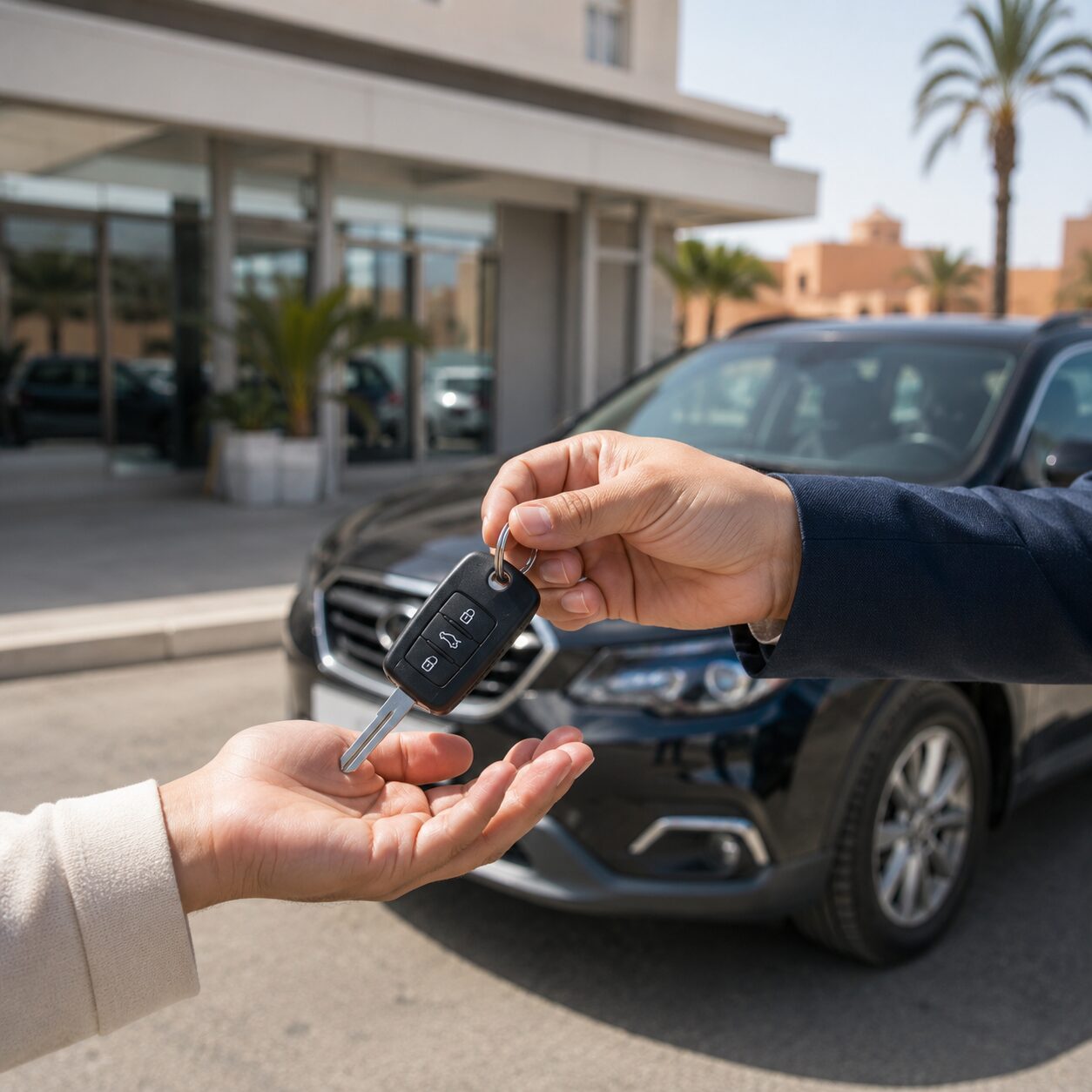
If you’re mapping out a route through the souks of Marrakech, the passes of the Atlas Mountains, and the coastline near Essaouira, one logistical question tends to stop planning in its tracks: do you need a credit card to rent a car in Morocco? It’s a fair question, because the answer shapes which agencies you can even consider. In short, yes — do you need a credit card to rent a car in Morocco is really asking whether you can secure a damage deposit, and almost every established rental company will say the card is non-negotiable.
Below is a rewritten, more detailed look at the 19 facts every traveler should understand, plus a few extras — a comparison table, a pre-trip checklist, and answers to the questions people ask most.


1. A credit card is the standard requirement at nearly every counter
For the overwhelming majority of Moroccan rental companies, a credit card isn’t a preference — it’s the mechanism that makes the whole transaction work. The card lets the agency place a temporary hold that covers potential damage, theft, unpaid tolls, or fuel shortfalls once you drop the keys back. Without that hold in place, most desks simply won’t release a vehicle, which is exactly why this question comes up so often before a trip.
2. Debit cards are accepted far less often than people assume
Even a debit card carrying a Visa or Mastercard logo typically won’t satisfy a rental desk. The reason comes down to risk: debit transactions pull directly from a checking balance rather than placing a reversible hold against a credit line, and agencies have far less recourse if something goes wrong. A handful of local operators bend this rule, but you shouldn’t count on it when booking internationally.
3. The name on the card and the name on the license must match
One detail that trips up group travelers: the credit card used at pickup has to belong to the person actually driving. A partner’s or parent’s card won’t be accepted unless that person is also registered as a driver on the contract. If several people plan to share driving duties, list everyone up front and bring each of their cards.
4. A refundable security deposit will sit on your statement
Plan for a temporary hold somewhere between 3,000 and 15,000 Moroccan dirhams, scaling with the size and value of the car. This isn’t a charge — it’s frozen, available credit that unlocks again once the vehicle is returned in the condition it left in. Knowing this in advance helps you avoid a nasty surprise when you check your card balance mid-trip.
5. Prepaid cards are treated the same as debit cards
A prepaid Visa or Mastercard might sail through at the online checkout stage, only to be declined once you’re standing at the rental counter. Agencies can’t verify that a prepaid balance will comfortably cover a security hold, so most reject them outright at pickup, regardless of what the booking site allowed.
6. Smaller, independent agencies sometimes offer alternatives
The worldwide model is not followed by all Moroccan rental companies. Certain smaller, locally owned businesses, particularly those with older automobile fleets, will take cash deposits instead of credit cards. Terms vary greatly between operators, so it’s best to confirm by phone or email well in advance of landing rather than taking a chance when you get there.
7. You Need More Than Just a Legal Card; You Also Need Headroom
Having a credit card isn’t enough on its own — it needs enough unused credit to absorb the security hold on top of your regular spending. A card sitting close to its limit can be declined for the deposit even though you never intend to actually spend that amount, so check your balance before you travel.
8. Visa and Mastercard clear the most hurdles
American Express and Diners Club are accepted by fewer Moroccan agencies, and that gap widens outside Marrakech, Casablanca, and Rabat. Travelers who want the smoothest experience should carry a Visa or Mastercard credit card as their primary option, keeping any Amex card as a backup rather than the plan.
9. A confirmed booking online doesn’t guarantee a car at pickup
Booking platforms often accept card numbers without truly validating them. The real check happens at the counter, where staff verify the physical card, match your ID to the driver’s name, and confirm available funds. Always bring the exact card you used to book — a different card, even from the same bank, can cause delays or a flat refusal.
10. The physical card has to be in your hand, not your phone
Digital wallets, saved numbers, or a screenshot of your card won’t do the job. Staff generally need to swipe or insert the physical card and often compare the embossed name against your passport or driving license, so it needs to be packed and accessible, not left behind in a safe at home.
11. An International Driving Permit often rides alongside the card requirement
Many agencies ask for a valid credit card and an International Driving Permit together, particularly if your license was issued outside Europe. Traveling with both documents ready removes one of the most common causes of delay or refusal at the rental desk.
12. Some cards quietly cover your rental insurance
Certain premium credit cards bundle rental car insurance as an automatic cardholder benefit, which can reduce or remove the need to buy extra coverage at the counter. It’s worth a quick call to your card issuer before departure to confirm exactly what’s covered internationally, since terms vary a lot between issuers and card tiers.
13. Younger and older drivers may face steeper terms
Drivers under 25 or over 70 often encounter higher deposits or extra surcharges, which makes having sufficient credit even more important for that age group. Check age-related policies at the same time you check card requirements, since both can affect whether your booking goes through cleanly.
14. A few agencies allow the deposit to be split across two cards
If a single card’s limit can’t comfortably absorb the full security hold, some rental companies will let you split it across two cards. It’s not a universal policy, so confirm directly with customer service ahead of time rather than assuming it’ll be an option at the counter.
15. Bigger, more specialized vehicles mean bigger holds
The deposit scales with the vehicle. A 4×4 booked for a desert excursion, or any luxury or SUV category, typically requires noticeably more available credit than a small city car, so factor vehicle choice into your card-limit planning early.
16. Tell your bank about your trip before you land
An unfamiliar merchant charging or holding funds from abroad can trigger a fraud alert on your card. Letting your bank know your travel dates and destination in advance reduces the odds of your card being frozen right when you need it most, standing at the rental counter.
17. Cash-only deals exist, but they come with trade-offs
A small number of independent operators will rent without a credit card at all, relying on a cash deposit instead. These arrangements typically offer fewer consumer protections and less clarity if a damage dispute comes up later, so a credit-card-backed rental from a reputable company remains the lower-risk route.
18. Getting your deposit back isn’t instant
Returning the car in good shape doesn’t mean the hold vanishes from your statement immediately. Banks can take anywhere from a few days to roughly two weeks to fully release the frozen funds back into your available balance, so don’t panic if it lingers briefly after your trip ends.
19. Sticking with major international brands reduces guesswork
Names like Europcar, Hertz, Avis, and Sixt run standardized card policies across their Moroccan branches, which makes the requirements far more predictable than booking with an unfamiliar local operator. If consistency matters more than saving a little money, these brands are usually worth the premium.
Credit Card vs. Debit Card vs. Cash: A Side-by-Side Look
Payment method acceptance for Moroccan car rentals — swipe or scroll sideways on smaller screens to see every column.
| Payment Type | Accepted by Major Brands | Accepted by Small Local Agencies | Typical Risk Level |
|---|---|---|---|
| Credit card (Visa/Mastercard) | Yes, standard | Yes | Low |
| Debit card | Rarely | Sometimes | Medium |
| Prepaid card | Almost never | Occasionally | Medium-High |
| Cash deposit | Rarely offered | Sometimes | High |
Pre-Trip Checklist
- Confirm your credit card’s available limit covers the vehicle class you’re booking
- Call your bank to flag Morocco travel dates
- Pack the physical card used at booking, plus a backup Visa or Mastercard
- Bring your passport, driving license, and an International Driving Permit if required
- Check whether your card’s travel benefits already include rental insurance
- Email the agency directly if you’re unsure about age surcharges or deposit splitting
Final Thoughts
So, do you need a credit card to rent a car in Morocco? For any agency you’d feel comfortable trusting with your trip, the answer stays a clear yes. Beyond simply owning a card, you’ll want enough available credit, matching ID for the registered driver, and a realistic sense of how deposits are held and released.
Get those pieces lined up before you land, and the question of do you need a credit card to rent a car in Morocco stops being a source of stress and becomes just another box checked off your travel prep.
Frequently Asked Questions
Do you need a credit card to rent a car in Morocco, or will a debit card work?
Yes — do you need a credit card to rent a car in Morocco is really a question about deposits, and debit cards rarely satisfy that requirement. Most agencies won’t accept debit as the primary payment method because it doesn’t guarantee the same reversible hold a credit card provides.
What happens if I show up without a credit card?
Most mainstream agencies will decline to hand over the keys, since for them do you need a credit card to rent a car in Morocco isn’t really optional. A small number of independent local operators may accept a cash deposit instead, but this is uncommon and carries more risk.
Can I use a friend’s or relative’s credit card at pickup?
No. The card has to belong to the registered driver. Whenever people ask do you need a credit card to rent a car in Morocco under their own name specifically, the answer is yes — staff match the embossed name on the card against your ID and driving license.
Does my card need a minimum available balance?
Yes, your card needs enough unused credit to absorb the security hold on top of everyday spending. This is one more reason do you need a credit card to rent a car in Morocco comes up so frequently — a card sitting near its limit can be declined at pickup even without extra spending.
Will a prepaid Visa or Mastercard be accepted?
Usually not. Prepaid cards are treated much like debit cards by most rental desks, since agencies can’t guarantee they’ll reliably cover a hold-and-release transaction, even if the online booking form accepted the number.
Is it cheaper or safer to rent without a credit card?
Cash-only rentals do exist in Morocco, mostly through independent operators, but they generally come with fewer protections if a damage dispute arises. If you’re still weighing whether do you need a credit card to rent a car in Morocco, the safer and more standard route is renting through a company that requires one.
Do luxury or 4×4 rentals have different card requirements?
Larger, specialized, or luxury vehicles typically require a higher security deposit, which means your card needs more available credit than it would for a compact city car. The core answer to do you need a credit card to rent a car in Morocco doesn’t change, but the amount your card must cover does.
For general background on visiting the country, Morocco’s Wikipedia overview is a useful starting point on geography, regions, and travel logistics beyond car rental. If you’re comparing travel cards before your trip, our guide to choosing a credit card for joint travel on EMIChecker.com is a good next read.
About the Author
Rio is the creator of EMIChecker and writes educational content on EMI calculations, loans, investment concepts, and personal finance tools. Through practical guides and calculators, Rio aims to help readers better understand financial topics and make more informed decisions.
Financial Disclaimer
The information and calculators provided on this website are for educational and informational purposes only and should not be considered financial, investment, tax, or legal advice.
Calculator results are estimates based on the information provided and may vary due to individual circumstances and market conditions.
Always consult a qualified financial professional before making any financial decisions.

Rio
"Rio is the creator of EMIChecker and writes educational content on EMI calculations, loans, investment concepts, and personal finance tools. Through practical guides and calculators, Rio aims to help readers better understand financial topics and make more informed decisions."