
Money and relationships mix every single day, from splitting groceries to booking a shared vacation. This guide breaks down the Best Credit Cards for Couples by budget, goal, and spending style, so you and your partner can pick a card that actually fits your life instead of guessing.
Choosing a credit card as a couple is different from choosing one alone. You are balancing two credit profiles, two spending habits, and one shared goal — usually rewards, savings, or building credit together without stepping on each other’s financial toes.
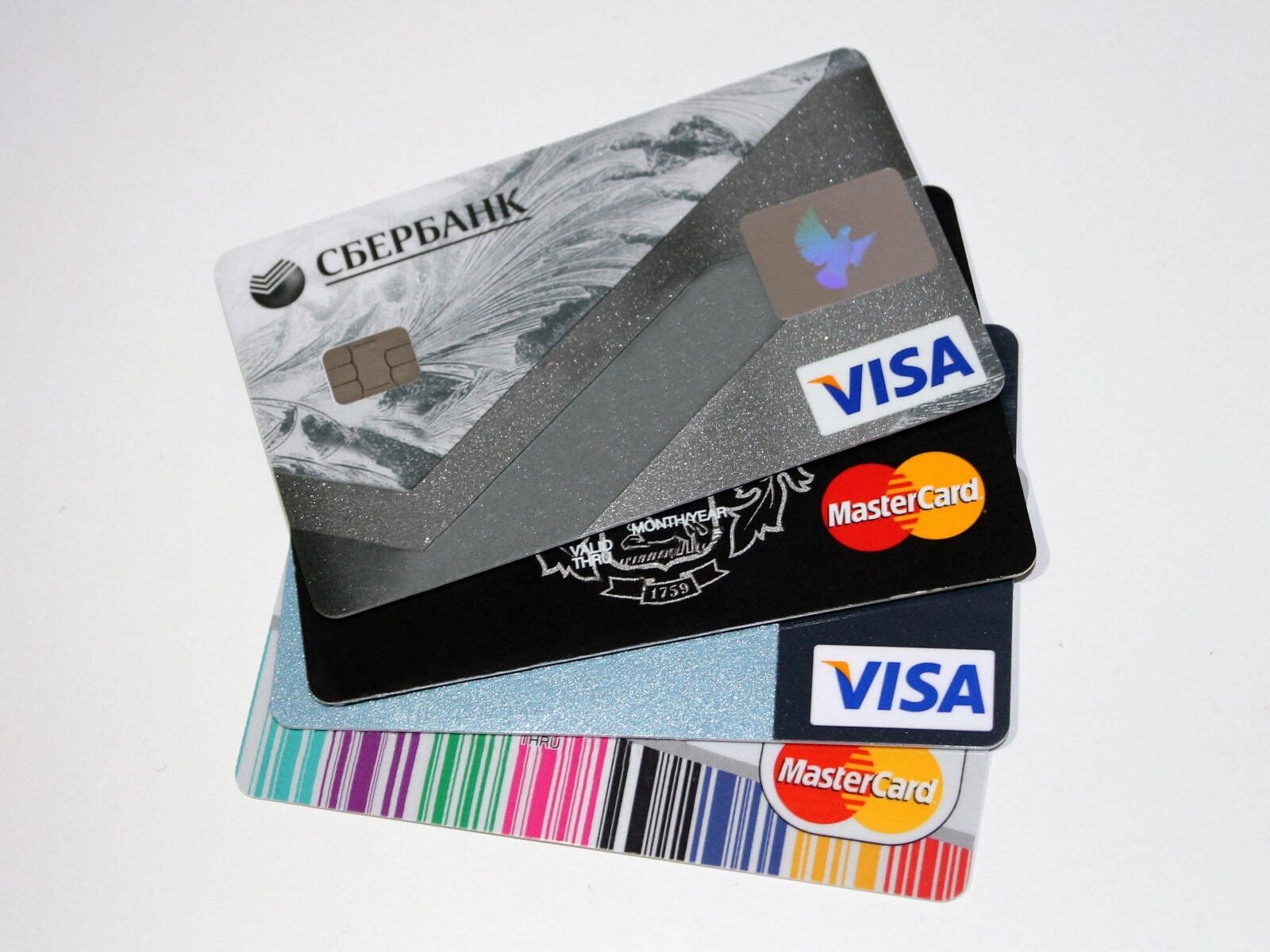
Comparing joint credit card options together helps couples avoid overlap and pick smarter rewards.
Expert Picks: Best Credit Cards for Couples at a Glance
Short on time? Here is the fast version. Each pick below matches a common couple scenario, so you can jump straight to the card type that fits before reading the full breakdown further down the page.
Simple, flexible rewards for shared everyday spending.
Flat or tiered cash back on groceries, gas, and bills.
Faster point earning when two people spend on one account.
Low-risk way to test shared spending habits together.
Deposit-backed option that graduates to unsecured over time.
Zero yearly cost while still building joint credit history.
Quick Comparison Table
| Card | Best For | Annual Fee | Rewards | Welcome Bonus | Recommended Score |
|---|---|---|---|---|---|
| Cash Back Duo | Everyday spending | $0–$95 | 1%–5% cash back | Small, if any | 670+ |
| Travel Rewards Couple | Frequent travelers | $95–$250 | 2–5x points | Often $500+ value | 690+ |
| No Fee Starter | New couples | $0 | 1%–1.5% flat | Rare | 580–670 |
| Balance Transfer | Debt payoff | $0–$75 | Minimal | None typical | 640+ |
| Secured Card | Rebuilding credit | $0–$49 | 0%–1% | None | No minimum |
| Premium Travel | High-budget couples | $395–$695 | 3–10x points | Often $750+ value | 720+ |
How We Chose These Cards
Every card type in this guide was compared across the same core criteria, so the picks reflect real tradeoffs rather than marketing copy.
- Rewards rates — cash back percentage or points multiplier per category
- Annual fees — weighed against realistic reward value
- Welcome bonuses — size and spending requirement to unlock them
- APR — standard and introductory rates for couples carrying a balance
- Travel benefits — lounge access, insurance, transfer partners
- Authorized user benefits — cost and credit-building value of adding a partner
- Customer satisfaction — support quality and dispute handling
1. Cash Back Duo Card
This card type suits couples who want simple, predictable rewards on everyday spending like groceries, gas, and streaming subscriptions. Cash back typically ranges from 1% to 5% depending on the category, making it an easy starting point for two people sharing household expenses.
- Simple to understand
- No complicated points math
- Often no annual fee
- Lower value than travel points
- Rotating categories can be confusing
2. Travel Rewards Couple Card
Ideal for couples who travel together often. Points or miles accumulate faster when two people are spending on one account, which can shorten the time it takes to earn a free flight or hotel stay for your next trip.
- Faster point accumulation
- Travel perks like lounge access
- Bonus categories for dining and flights
- Higher annual fees
- Points lose value if unused
3. No Annual Fee Starter Card
For couples early in their financial journey, a no-fee card removes pressure while still building credit history for both partners. It is a low-risk way to test shared spending habits before committing to a premium product.
- Zero yearly cost
- Good for building credit
- Low commitment
- Fewer premium perks
- Smaller rewards rate
4. Balance Transfer Relief Card
If one or both partners are carrying debt from previous cards, a balance transfer card with a 0% introductory period can help consolidate payments and reduce interest while paying down debt together as a team.
- 0% intro APR window
- Simplifies multiple debts
- Saves on interest
- Transfer fees apply
- Rate jumps after intro period
5. Secured Card for Rebuilding Credit
When one partner has limited or damaged credit, a secured card backed by a deposit is a safe way to rebuild history. Many secured cards graduate into unsecured cards after consistent, on-time payments.
- Easier approval
- Builds credit steadily
- Deposit is refundable
- Requires upfront deposit
- Lower credit limits
6. Grocery & Dining Rewards Card
Couples who cook together or eat out often benefit from cards that boost rewards specifically on groceries and restaurants, two categories that make up a large share of shared monthly spending.
- High rewards on daily essentials
- Easy to maximize passively
- Category caps may apply
- Less useful for non-food spenders
7. Premium Travel & Lifestyle Card
For higher-budget couples who travel frequently and want lounge access, concierge service, and premium insurance coverage, a premium card can pay for itself through perks despite a higher annual fee.
- Airport lounge access
- Travel insurance included
- Strong point multipliers
- Expensive annual fee
- Requires good credit to qualify
8. Authorized User Shared Card
Rather than opening a joint account, one partner can add the other as an authorized user. This lets both benefit from rewards and credit history while only one person is the primary account holder.
- Simple setup
- Helps build a partner’s credit
- One shared statement
- Primary holder carries the liability
- Less financial independence
9. Budget & Expense Tracking Card
Some cards come with built-in budgeting tools, spending alerts, and category breakdowns, which are helpful for couples who want visibility into joint spending without spreadsheets or awkward money talks.
- Built-in spending insights
- Reduces money arguments
- Real-time alerts
- Not all issuers offer this
- Tools vary in depth
10. Business Co-Card for Couple Entrepreneurs
Couples running a small business together may prefer a business card that separates personal and business spending while still earning rewards on shared expenses like supplies, software, and marketing.
- Separates business finances
- Rewards on business categories
- Simplifies tax records
- Usually requires an EIN or business proof
- Personal guarantee often required
Who Should Get Each Card?
The right card often comes down to your stage of life together, not just your credit score. Here’s how that plays out in practice.
- Newly married couples: A no annual fee starter card or cash back duo card builds shared history without early pressure.
- Couples living together: An authorized user setup keeps finances linked without opening a full joint account yet.
- Couples with children: A grocery and dining rewards card offsets the categories where family spending is highest.
- Couples who travel often: A travel rewards or premium travel card turns shared trips into faster point earning.
- Couples rebuilding credit: A secured card lets both partners rebuild steadily with a refundable deposit.
Mistakes Couples Should Avoid
Most card regret comes from a handful of repeated mistakes, not bad luck. Watch for these before and after you apply.
- Carrying a balance for rewards: Interest charges almost always outweigh the cash back or points earned.
- Missing payment due dates: Late payments hurt both partners’ credit if the account is joint or shared.
- Ignoring annual fees: A fee that isn’t offset by real usage quietly drains value every year.
- Not discussing spending limits: Unspoken limits lead to surprise balances and avoidable arguments.
- Choosing the wrong rewards program: A travel card is wasted on a couple who rarely travels, and vice versa.
How to Choose the Right Card Together
Picking the Best Credit Cards for Couples starts with an honest look at how you both actually spend, not how you wish you spent. Follow these steps before applying for anything.
- List your combined monthly spending by category: groceries, dining, travel, bills.
- Check both partners’ credit scores before applying together.
- Decide between a joint account, authorized user setup, or two separate cards.
- Compare annual fees against the rewards you would realistically earn.
- Set a shared rule for who pays the statement and when.
Comparison Table: Quick Snapshot
| Card Type | Best For | Annual Fee |
|---|---|---|
| Cash Back Duo | Everyday spending | Low / None |
| Travel Rewards | Frequent travelers | Medium |
| No Fee Starter | New couples | None |
| Balance Transfer | Debt payoff | Low |
| Premium Travel | High-budget couples | High |
Joint Card vs. Authorized User
These two setups get confused often, but they carry very different levels of ownership and risk. Here’s the side-by-side breakdown.
| Joint Card | Authorized User | |
|---|---|---|
| Ownership | Both partners are account holders | Only one partner owns the account |
| Credit impact | Affects both partners’ credit reports | Can help the authorized user’s credit too |
| Responsibility | Both are legally liable for the balance | Only the primary holder is liable |
| Best use cases | Long-term couples with shared finances | Newer couples or building a partner’s credit |
Money Habits That Help Couples Win
A card is only as good as the habits behind it. Set a monthly review date, track shared goals like a vacation fund, and avoid letting one partner carry the full mental load of bill payments and due dates.
For a deeper dive into managing shared debt responsibly, EMI Checker’s Credit Score & Debt Management guide is a solid next read, alongside the broader concept of credit cards on Wikipedia if you want the full background on how they work.
Budget Planning Beyond the Card
Rewards only matter if your budget is stable first. Couples planning bigger purchases like a car or home should also check tools such as the Car Finance Calculator or the Property Appreciation Calculator to see the full financial picture before adding another line of credit.
How to Maximize Rewards
Owning the right card only matters if you actually use it well. These habits turn a decent card into a genuinely valuable one.
- Use one card for groceries and recurring bills so rewards accumulate on one statement.
- Set up autopay for at least the minimum due to protect your credit score.
- Redeem points or cash back before they expire or devalue.
- Review your card’s benefits every year, since issuers change perks often.
Final Recommendation
- Best overall choice: The Cash Back Duo Card — flexible, low-fee, and useful for nearly every couple.
- Best budget option: The No Annual Fee Starter Card — zero cost while you build shared history.
- Best travel option: The Travel Rewards Couple Card — fastest path to a joint trip paid for in points.
- Best for credit building: The Secured Card for Rebuilding Credit — steady, low-risk progress for either partner.
Conclusion
There is no single “best” answer here — the right pick depends on how you and your partner spend, save, and plan together. Whether you choose a simple cash back card or a premium travel card, the goal is the same: make money a team sport, not a source of tension. Review your choice every year and adjust as your combined goals change.
FAQs: Best Credit Cards for Couples
1. What are the Best Credit Cards for Couples starting out?
2. Should couples get a joint credit card or separate cards?
3. Do both partners need good credit to qualify?
4. Are travel rewards worth it for couples who rarely travel?
5. How do couples avoid overspending with a shared card?
6. Can a credit card help rebuild a partner’s credit score?
7. What annual fee is reasonable for a couple’s card?
8. Is a balance transfer card a good option for couples with debt?
9. How many credit cards should a couple realistically have?
10. Do premium cards make sense for a budget-conscious couple?
11. What credit score is needed to qualify together?
12. Can couples combine points from two different cards?
13. What happens to a joint card if a couple separates?
14. Are business cards useful for couples who co-own a company?
15. How often should couples review their credit card choice?
16. Do grocery and dining rewards cards really save money?
17. What is the safest card type for a couple new to credit?
18. Can one partner be liable for the other’s spending?
19. Do couples get better approval odds applying together?
20. What’s the biggest mistake couples make choosing a card?
This FAQ section covers the essentials of the Best Credit Cards for Couples so you can move forward with confidence. For loan and EMI planning tools related to any purchases you make with your new card, visit EMI Checker’s Calculators hub.
Related Reading
- Low-Interest & Cash Back Credit Card Picks
- Debt Management Software: Tools for Safer Finances
- More Credit Card Guides on EMI Checker
- Credit Card Basics — Consumer Financial Protection Bureau
Sources: Consumer Financial Protection Bureau, major card issuer disclosures (Chase, Capital One, Citi, American Express), and Wikipedia. Card categories and figures are general guidance, not individual card offers — always confirm current rates, fees, and bonuses directly with the issuer before applying.
About the Author
Rio is the creator of EMIChecker and writes educational content on EMI calculations, loans, investment concepts, and personal finance tools. Through practical guides and calculators, Rio aims to help readers better understand financial topics and make more informed decisions.
Financial Disclaimer
The information and calculators provided on this website are for educational and informational purposes only and should not be considered financial, investment, tax, or legal advice.
Calculator results are estimates based on the information provided and may vary due to individual circumstances and market conditions.
Always consult a qualified financial professional before making any financial decisions.