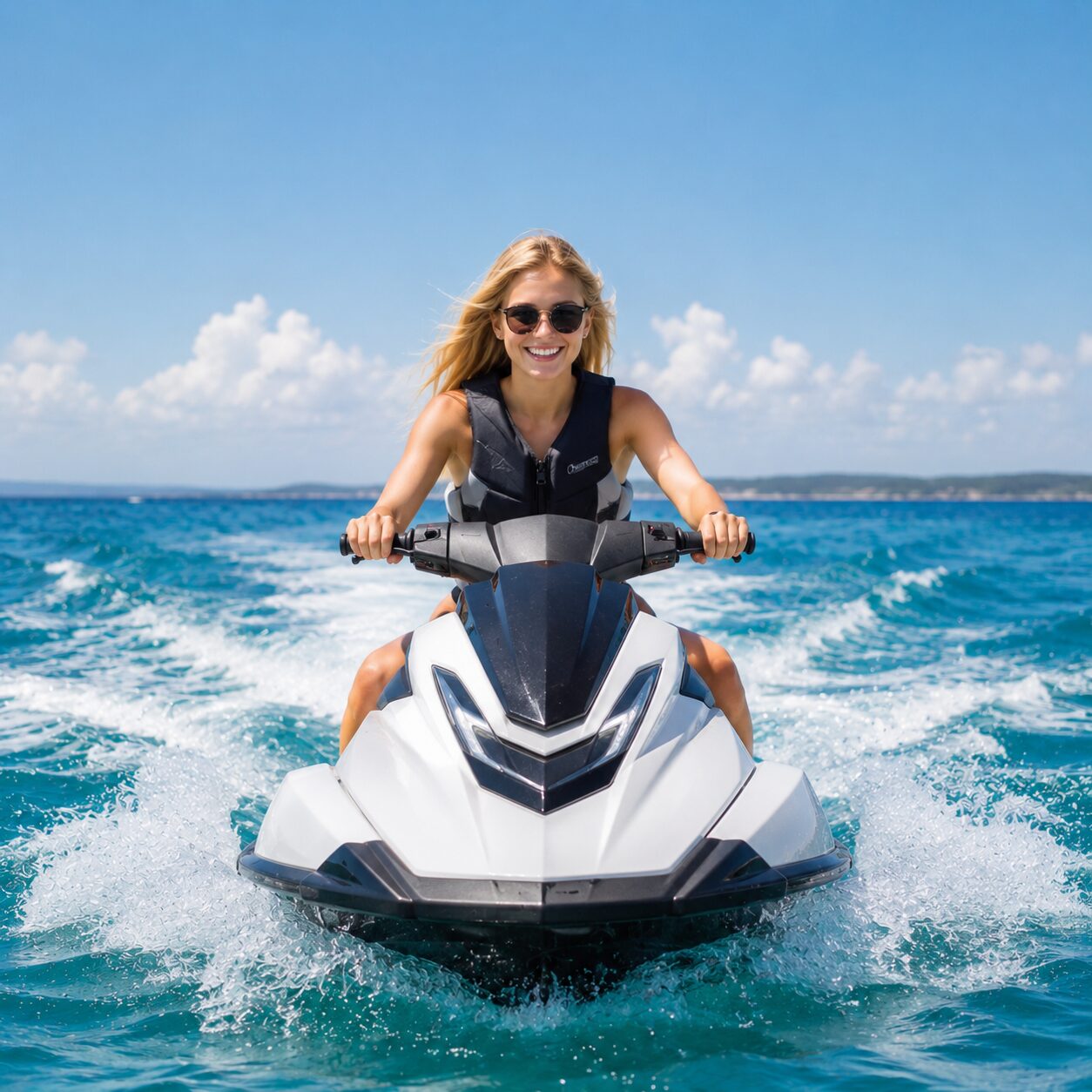
Personal watercraft loans can make owning a jet ski more affordable, but financing mistakes can turn an exciting purchase into a costly financial burden. Many buyers focus only on the monthly payment and overlook important factors such as interest rates, loan terms, hidden fees, insurance costs, and depreciation. These mistakes can add thousands of dollars to the total cost of ownership over the life of the loan.
Whether you’re buying your first jet ski or upgrading to a newer model, understanding the most common financing pitfalls can help you make a smarter decision. In this guide, you’ll discover 20 costly mistakes buyers make when financing a jet ski and learn practical strategies to avoid them, save money, and secure a loan that fits your budget and long-term financial goals.
Personal Watercraft Loans

1. Not Checking Your Credit Score Before Applying
Your credit score directly determines your interest rate. The difference between a 700 and a 760 score could move you from a 10.9% APR to a 7.9% APR on a typical PWC loan — a gap that costs over $1,100 in extra interest on a $12,000 loan over 60 months.
Before applying, get your free credit report from AnnualCreditReport.com.Look for errors, outdated collections, or accounts you don’t recognize — disputing these can raise your score within 30–60 days.
2. Fixating on the Monthly Payment
Dealers and lenders love to sell payments, not loan costs. A $12,000 loan at 10% APR:
Over 48 months: $304/month — total cost: $14,600
Over 84 months: $197/month — total cost: $16,548
Although the 84-month option appears more reasonable, it costs about $2,000 extra. Always compute the entire cost of payback, not just the monthly amount.
3. Skipping Loan Pre-Approval
Walking into a dealership without financing lined up puts you at a disadvantage. The dealer’s in-house financing may carry higher rates or hidden fees. Getting pre-approved by your bank or credit union first gives you a real rate to compare against, strengthens your negotiating position, and prevents the emotional pressure to accept whatever terms are offered on the spot.
4. Borrowing More Than You Can Comfortably Afford
Most lenders base approval on debt-to-income ratios, not your actual budget. Getting approved for $18,000 doesn’t mean you can comfortably afford it once you factor in insurance ($300–$700/year), fuel, maintenance, and storage.
A useful rule: your total monthly PWC costs (loan payment + insurance + estimated fuel) should stay under 10–12% of your monthly take-home pay.
5. Ignoring the Impact of Interest Rates
On a $12,000 jet ski loan over 60 months:
At 7% APR: total interest paid = $2,266
At 12% APR: total interest paid = $4,015
At 16% APR: total interest paid = $5,496
A 9-point rate difference adds over $3,200 to the cost of the same jet ski. Rate shopping isn’t optional — it’s one of the highest-ROI moves you can make in the entire purchase process.
6. Accepting the First Financing Offer
Banks, credit unions, online lenders, and marine specialty lenders all offer different rates on PWC loans. Credit unions, in particular, tend to offer lower rates than commercial banks for members, sometimes by 1–3 percentage points.
Get quotes from at least three lenders before deciding. Even a half-point rate reduction on a $15,000 loan saves you several hundred dollars over the life of the loan.
7. Overlooking Loan Fees
A loan with a 7.5% APR and a $400 origination fee can cost more than a loan at 8% with no fees, depending on the term length. Always ask lenders for the full fee breakdown:
Origination fees
Documentation fees
Processing or admin charges
Prepayment penalties
The APR (not just the interest rate) accounts for most fees, making it the most accurate number to compare across lenders.
8. Financing Accessories You Don’t Need
Dealers will often bundle trailers, covers, storage racks, and upgraded electronics into the loan. Each $1,000 of accessories financed at 10% over 60 months costs about $1,275 by payoff. Accessories you can buy later with cash — finance only the watercraft itself if possible.
9. Choosing the Longest Loan Term Available
Longer terms equal lower payments but substantially higher costs. Some lenders offer PWC loans up to 84 or even 96 months. The problem: most jet skis depreciate significantly in years 3–5, meaning you could owe more than the watercraft is worth for much of the loan’s life.
Aim for the shortest term you can afford. If you need a 72- or 84-month term to make payments work, reconsider the purchase price.
10. Forgetting to Budget for Insurance
Most lenders require comprehensive PWC insurance as a loan condition. Premiums vary widely:
A new Sea-Doo or Yamaha WaveRunner may cost $300–$700/year to insure
Older or high-powered models can run higher depending on your location and riding history
Riders under 25 or in coastal/high-traffic areas often pay more
Always get an insurance quote before finalizing your purchase decision — not after.
11. Underestimating Maintenance Costs
Annual PWC maintenance is often underestimated. Budget for:
Annual service (oil, filter, spark plugs): $200–$400
Winterization: $150–$300
Battery replacement: every 2–4 years (~$100–$200)
Impeller or wear ring repairs: $200–$500+
Registration fees: varies by state
A reasonable maintenance reserve is $500–$800/year for a well-maintained new model, more for used.
12. Ignoring Fuel and Storage Expenses
A supercharged 1,800cc jet ski can burn 10+ gallons per hour at full throttle. Even conservative riding adds up:
10 hours/month × 5 gal/hr × $3.50/gal = $175/month in fuel
Dry storage or marina slip: $50–$300/month depending on region
Trailer registration and maintenance: $50–$150/year
These ongoing costs can easily exceed $2,000–$4,000 per year on top of your loan payment.
13. Making Little or No Down Payment
Zero-down financing exists, but it’s a trap for PWC buyers. Personal watercraft typically lose 15–25% of their value in the first two years. Finance 100% of a $15,000 jet ski and you may owe $12,000 two years later when the craft is worth $10,000 — leaving you $2,000 underwater if you need to sell.
A 10–20% down payment significantly reduces this risk and lowers your total interest paid.
14. Buying a Used Jet Ski Without a Professional Inspection
Used PWCs are priced attractively for a reason. Common hidden issues include:
Engine wear or overheating damage (from riding without water)
Impeller damage from sand or debris
Hull damage from impacts or improper trailering
Corrosion in the electrical system
Evidence of flood damage
A marine mechanic inspection typically costs $100–$200 and can reveal thousands of dollars in needed repairs — or give you confidence that the purchase is sound.
15. Not Reading the Loan Agreement Carefully
Loan agreements contain critical details that significantly affect what you pay:
Is the rate fixed or variable?
Are there prepayment penalties?
What triggers a default?
Are there balloon payments?
Never sign a financing agreement without reading it in full. If any term is unclear, ask for written clarification — or walk away.
16. Applying to Too Many Lenders at Once
Your score is lowered by a few points with each rigorous credit query. Multiple hard inquiries in a short period signal financial stress to lenders and can reduce your chances of getting the best rate.
Most credit bureaus treat multiple loan inquiries within a 14–45 day window as a single inquiry for scoring purposes — use this window to rate-shop efficiently without damaging your credit.
17. Not Researching the Lender’s Reputation
Some lenders specialize in marine and powersport financing and offer genuinely competitive terms. Others use opaque fee structures or poor customer service once you’re locked in. Before signing, check:
BBB rating and complaint history
Google and Trustpilot reviews
Whether the lender services the loan themselves or sells it
A slightly higher rate from a reputable lender is often worth more than a marginally lower rate from one with poor service reviews.
18. Underestimating Depreciation
Jet skis are not appreciating assets. Average depreciation by year for a new PWC:
Year 1: 15–20%
Year 2: 10–15%
Year 3: 8–12%
A $16,000 jet ski may be worth around $10,000–$11,000 after three years. If your loan balance at that point is $12,000, you’re underwater — unable to sell without coming out of pocket. Factoring depreciation into your financing plan protects you from this scenario.
19. Missing Opportunities to Pay the Loan Off Early
Paying even an extra $50–$100 per month on a 60-month loan can cut months off the term and save hundreds in interest. Before signing, confirm:
There is no prepayment penalty (many lenders charge 1–2% of the remaining balance)
You can make additional principal payments at any time
Extra payments are applied to principal, not future interest
If the loan has a prepayment penalty, factor this into your lender comparison.
20. Rushing the Financing Decision
Excitement is the enemy of good loan decisions. Dealers are trained to create urgency — “this price is only good today” or “we have another buyer interested.” In practice, most deals can be revisited with 24–48 hours of reflection.
Take time to:
Calculate total repayment cost (not just the monthly payment)
Compare at least three lenders
Get an insurance quote
Budget for ongoing ownership costs
Read the full loan agreement
The jet ski will still be there tomorrow. A financing decision you regret will follow you for years.
Quick-Reference: Total Cost of Ownership Checklist
Before signing any financing agreement, confirm you’ve accounted for:
[ ] Loan amount and total repayment cost
[ ] APR (not just interest rate)
[ ] Down payment (aim for 10–20%)
[ ] Loan term (shorter is better)
[ ] Annual insurance premium
[ ] Annual maintenance budget ($500–$800 minimum)
[ ] Fuel costs based on expected riding frequency
[ ] Storage or marina fees
[ ] Registration and trailer costs
[ ] Prepayment penalty terms
Bottom Line
Financing a jet ski is straightforward — but smart financing requires looking beyond the monthly payment to the total cost of ownership. The buyers who get the best deals are the ones who check their credit first, compare multiple lenders, make a meaningful down payment, and budget honestly for insurance, maintenance, and fuel before they sign anything.
The water is more enjoyable when you’re not worried about the bill.
FAQS
What are personal watercraft loans?
Personal watercraft loans are financing options designed to help buyers purchase a jet ski or other personal watercraft without paying the full cost upfront. These loans allow borrowers to spread payments over several months or years while enjoying ownership immediately.
2. How do personal watercraft loans work?
Personal watercraft loans provide funds for purchasing a personal watercraft, and the borrower repays the amount through fixed monthly installments. Loan terms, interest rates, and repayment periods vary depending on the lender, credit profile, and loan amount requested.
3. Can I get personal watercraft loans with bad credit?
Yes, some lenders offer personal watercraft loans to borrowers with less-than-perfect credit. However, lower credit scores may result in higher interest rates, stricter lending requirements, larger down payments, or shorter repayment terms compared to borrowers with strong credit histories.
4. What credit score is needed for personal watercraft loans?
The credit score requirements for personal watercraft loans differ by lender. Many lenders prefer scores above 620, while borrowers with higher scores often qualify for better interest rates, lower monthly payments, and more favorable loan conditions overall.
5. Are personal watercraft loans secured or unsecured?
Personal watercraft loans can be either secured or unsecured. Secured loans use the watercraft as collateral, often resulting in lower interest rates. Unsecured loans do not require collateral but may have higher rates and stricter approval requirements.
6. What interest rates are available for personal watercraft loans?
Interest rates for personal watercraft Loans vary based on market conditions, credit score, loan amount, lender policies, and repayment term. Borrowers with excellent credit generally receive lower rates, while higher-risk applicants may pay significantly more over time.
7. How much can I borrow with personal watercraft loans?
The amount available through personal watercraft loans depends on the lender, your financial situation, credit profile, and the value of the watercraft. Some lenders finance smaller recreational purchases, while others offer substantial loan amounts for premium models.
8. Do personal watercraft loans require a down payment?
Many personal watercraft loans may require a down payment, especially for larger loan amounts or borrowers with lower credit scores. Making a larger down payment can reduce monthly payments, lower interest costs, and improve approval chances.
9. How long are repayment terms for personal watercraft loans?
Repayment terms for personal watercraft Loans commonly range from two to fifteen years depending on the lender and loan size. Longer terms may reduce monthly payments but often increase the total interest paid throughout the loan period.
10. Can I refinance personal watercraft loans?
Yes, refinancing personal watercraft loans may help borrowers secure lower interest rates, reduce monthly payments, or adjust repayment terms. Refinancing can be beneficial when credit scores improve or when market interest rates decrease significantly.
11. Are personal watercraft loans available for used models?
Many lenders offer personal watercraft loans for both new and used watercraft. Approval terms often depend on the age, condition, and market value of the watercraft, along with the borrower’s financial qualifications and credit history.
12. How quickly can personal watercraft loans be approved?
Each lender has a different approval time for personal watercraft loans. While traditional financial institutions may take several days to analyze documents, confirm information, and complete funding agreements, some online lenders make decisions in a matter of hours.
13. What documents are required for personal watercraft loans?
Most personal watercraft loans require proof of identity, income verification, employment details, bank statements, and information about the watercraft being purchased. Additional documents may be requested depending on lender policies and borrower circumstances.
14. Can self-employed individuals qualify for personal watercraft loans?
Yes, self-employed applicants can obtain personal watercraft loans if they meet lender requirements. They may need to provide tax returns, bank records, profit-and-loss statements, or other financial documents demonstrating stable and sufficient income.
15. Are there fees associated with personal watercraft loans?
Some personal watercraft loans may include fees such as origination charges, late payment penalties, processing fees, or early repayment fees. Reviewing the loan agreement carefully helps borrowers understand the total cost of financing.
16. Can I pay off personal watercraft loans early?
Many lenders allow borrowers to pay off personal watercraft loans before the scheduled end date. Early repayment can reduce interest costs, but borrowers should verify whether any prepayment penalties or restrictions apply.
17. Is insurance required with personal watercraft loans?
Lenders often require insurance coverage when providing personal watercraft loans, especially for secured financing. Insurance protects both the borrower and lender against potential financial losses caused by accidents, theft, or damage.
18. Where can I apply for personal watercraft loans?
Personal watercraft loans are available through banks, credit unions, marine finance companies, online lenders, and recreational vehicle financing specialists. Comparing multiple lenders can help borrowers find competitive rates and favorable loan terms.
19. What are the benefits of personal watercraft loans?
Customers can acquire a boat without having to pay the full price up front thanks to personal watercraft loans. Benefits include instant access to recreational boating activities, flexible payback alternatives, affordable monthly installments, and possible promotional rates.
20. How can I get the best personal watercraft loans?
To secure the best personal watercraft loans, compare offers from multiple lenders, improve your credit score, save for a down payment, review all loan fees, and choose a repayment term that balances affordability and interest costs.
About the Author
Rio is the creator of EMIChecker and writes educational content on EMI calculations, loans, investment concepts, and personal finance tools. Through practical guides and calculators, Rio aims to help readers better understand financial topics and make more informed decisions.
Financial Disclaimer
The information and calculators provided on this website are for educational and informational purposes only and should not be considered financial, investment, tax, or legal advice.
Calculator results are estimates based on the information provided and may vary due to individual circumstances and market conditions.
Always consult a qualified financial professional before making any financial decisions.