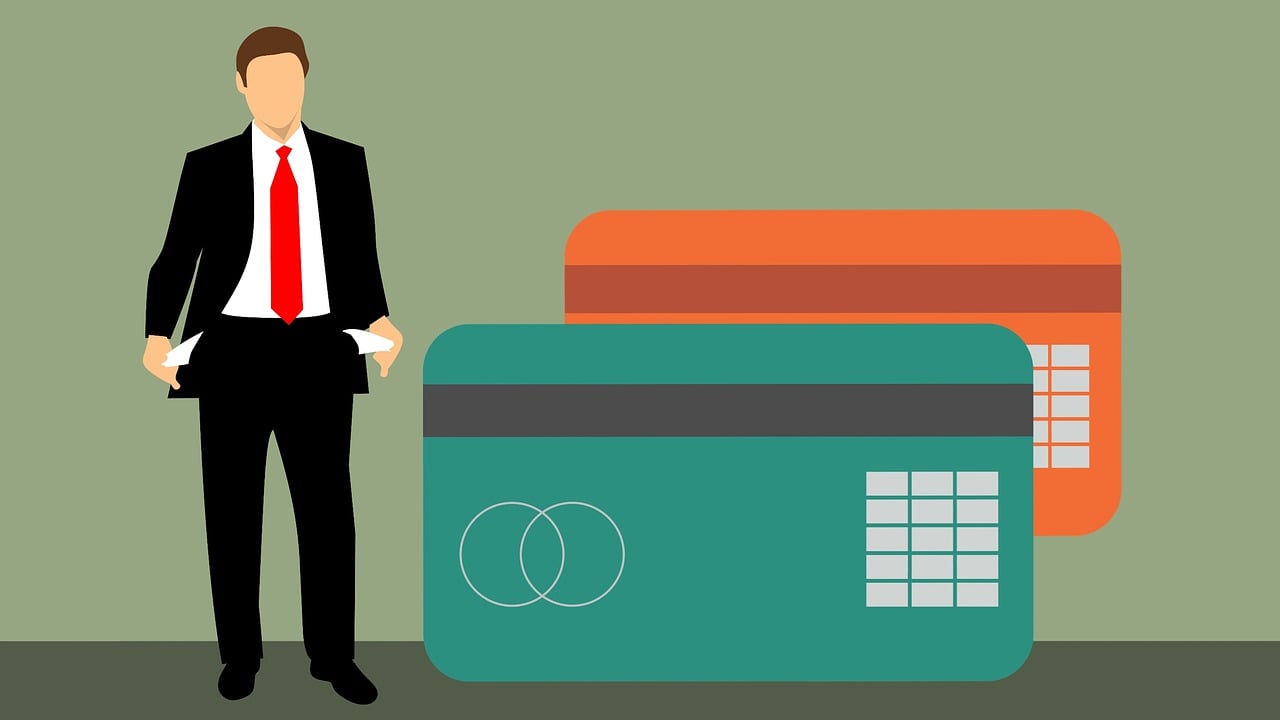
Debt is a tool. Like any tool, it can build something great — or cause serious damage if misused. Every year, millions of people take on personal loans or rack up credit card balances without fully understanding the difference between the two. The result? Unnecessary interest payments, damaged credit scores, and financial stress that lingers for years.
The good news:Most of these errors can be prevented. This guide leads you through 20 practical strategies to make better borrowing decisions and avoid the pitfalls that so many people fall victim to, whether you’re facing an unforeseen emergency, financing a home improvement, or consolidating debt.
Personal Loan vs Credit Card

Understanding the Basics First
Let’s set the scene before getting into the advice.
Personal loans are installment loans — you borrow a fixed amount, repay it in equal monthly installments over a set term (usually 1–7 years), and pay a fixed or variable interest rate. The rate is determined upfront, and your balance decreases predictably each month.
Credit cards are revolving credit — you get a credit limit, spend up to that limit, and repay as much or as little as you want each month (above the minimum). Interest compounds on whatever you don’t pay off, and your available credit replenishes as you repay.
Both have legitimate uses. The costly mistakes happen when people use the wrong one for the wrong purpose — or mismanage either one.
The 20 Best Ways to Avoid Costly Debt Mistakes
1. Match the Tool to the Purpose
Personal loans are better for large, one-time, fixed expenses — medical bills, debt consolidation, home repairs, weddings. Credit cards shine for everyday purchases, travel rewards, and short-term spending you can pay off monthly. Using a credit card for a ₹3 lakh expense you can’t clear in 30 days is a recipe for an interest spiral. Using a personal loan for ₹5,000 of groceries is just unnecessary complexity.
2. Always Compare the APR, Not Just the Interest Rate
The Annual Percentage Rate (APR) includes both the interest rate and any associated fees. A personal loan advertising 12% interest might actually cost you 15–18% APR once processing fees, origination charges, and insurance add-ons are factored in. Similarly, a credit card offering 0% for 12 months might revert to 36–42% after the promotional period. Always ask for the full APR before signing anything.
3. Never Borrow More Than You Need
This seems obvious, but lenders often approve you for more than you require — and the temptation to take it is real. With personal loans, borrowing extra increases your EMI and total interest paid. With credit cards, a higher limit often leads to higher spending. Borrow the minimum you actually need to solve the problem.
4. Read the Fine Print on Prepayment Penalties
Many personal loans charge a prepayment or foreclosure fee (typically 2–5% of the outstanding principal) if you repay early. If you anticipate paying off the loan ahead of schedule, choose a lender with no prepayment penalty. With credit cards, there’s no such restriction — you can pay any amount at any time without penalty.
5. Understand How Minimum Payments on Credit Cards Work Against You
Credit card minimum payments are designed to keep you in debt longer. If you owe ₹1,00,000 at 36% annual interest and pay only the minimum each month, you could end up paying back nearly double the original amount over several years. Always pay more than the minimum — ideally the full balance — every single month.
6. Don’t Use a Credit Card for Cash Advances
One of the most costly methods of borrowing money is a credit card cash advance. With no grace period, the interest rate on cash advances is frequently higher than that of regular purchases, and the majority of cards impose a transaction fee (2–3% of the total amount). In other words, interest begins to accrue right away. A personal loan or even a salary advance is nearly always less expensive if you need money quickly.
7. Check Your Credit Score Before Applying
Your credit score directly determines the interest rate you’ll be offered. Applying with a low score means higher rates — or outright rejection. Check your CIBIL or Experian score before applying. If it’s below 700, consider spending 3–6 months improving it first by paying existing dues on time, reducing credit utilization, and clearing any errors on your report.
8. Avoid Applying to Multiple Lenders Simultaneously
Every loan or credit card application triggers a “hard inquiry” on your credit report, which temporarily lowers your score. Applying to five lenders at once can drop your score significantly and signal financial desperation to future creditors. Instead, use pre-qualification tools (which use soft inquiries) to compare rates, then apply to only one or two.
9. Factor in the Total Cost, Not Just the Monthly EMI
A longer loan tenure reduces your monthly EMI but dramatically increases the total interest paid. A ₹5,00,000 personal loan at 14% interest over 3 years costs roughly ₹1,12,000 in total interest. Stretching the same loan to 5 years drops the EMI but pushes total interest to nearly ₹1,90,000. Always calculate the full cost, not just what fits your monthly budget.
10. Don’t Consolidate Debt Without Changing the Behavior That Created It
Debt consolidation — using a personal loan to pay off multiple credit cards — is a powerful strategy. But it fails when people clear their cards and then run them back up again, ending up with both the loan repayment and fresh card debt. Consolidation only works if paired with a genuine commitment to not accumulating new high-interest debt.
11. Use 0% Credit Card Offers Strategically — But Set a Calendar Reminder
Promotional 0% APR credit card offers can be genuinely valuable if you need to finance a purchase over 6–18 months interest-free. The trap: the rate often spikes to 36–42% after the promotional period ends, and any remaining balance is suddenly very expensive. Set a reminder 30 days before the offer expires so you can pay it off or transfer the balance.
12. Avoid EMI Conversions for Small, Frequent Purchases
Many credit cards let you convert purchases into EMIs. This feels convenient but adds processing fees and interest, and it clutters your finances with multiple mini-loans. Reserve EMI conversions for genuinely large, necessary purchases. Small items should be paid in full at the next billing cycle.
13. Don’t Ignore the Impact on Your Debt-to-Income Ratio
Lenders evaluate your debt-to-income (DTI) ratio — your monthly debt repayments divided by your monthly income. A high DTI makes it harder to get future loans (like a home loan) at good rates. Before taking on a personal loan or a large credit card balance, calculate how it affects your DTI and whether that’s a trade-off you’re willing to make.
14. Be Wary of Loan Insurance Add-Ons
When taking a personal loan, banks often push credit life insurance or loan protection insurance. Sometimes this is bundled without clear disclosure, adding to your effective interest cost. Evaluate whether you genuinely need the coverage — and if you do, check whether buying a separate term policy is cheaper than the bundled product.
15. Keep Your Credit Utilization Below 30%
Credit utilization — how much of your credit limit you’re using — accounts for roughly 30% of your credit score. Using ₹80,000 of a ₹1,00,000 limit (80% utilization) significantly hurts your score. Try to keep it under 30% at all times. If you regularly need more room, request a credit limit increase rather than maxing out your existing card.
16. Never Miss an EMI or Minimum Payment — Set Auto-Pay
A single missed payment on a personal loan or credit card can drop your CIBIL score by 50–100 points and trigger late fees. After two or three missed payments, lenders report you as a defaulter, which can stay on your record for years. Set up auto-pay for at least the minimum payment due — and then make additional manual payments as needed.
17. Resist the Lifestyle Upgrade Trap
Low interest rates and easy approvals make it tempting to borrow for things that aren’t financially necessary — premium gadgets, luxury vacations, designer goods. Ask yourself: “If I needed cash for this, would I feel comfortable paying the total cost including interest?” If the answer is no, consider whether the purchase is truly worthwhile. Debt for depreciating assets or experiences is the fastest route to a debt trap.
18. Compare Lenders Beyond Just Your Own Bank
Many people default to their existing bank for a personal loan or credit card, assuming loyalty brings better rates. It often doesn’t. NBFCs, fintech lenders, and other banks regularly offer more competitive interest rates, lower processing fees, and better terms. Use comparison platforms to widen your search before committing.
19. Have an Emergency Fund Before Taking on Any Debt
If you have no financial cushion, any unexpected expense — job loss, medical emergency, car repair — can make it impossible to service your loan or card dues. Before taking on a personal loan for a non-emergency purpose, make sure you have at least 3–6 months of expenses in an accessible savings account. Debt management becomes exponentially harder without this buffer.
20. Know When to Seek Help — and Seek It Early
It’s a debt crisis rather than a budgeting issue if you’re juggling several loans, unable to make minimal payments, or borrowing money from one source to pay back another. You have more possibilities if you get expert assistance as quickly as possible, such as from your lender’s restructuring team or a licensed financial counsellor. Delays almost invariably result in worse outcomes and higher costs.
Quick Reference: Personal Loan vs Credit Card
| Factor | Personal Loan | Credit Card |
|---|---|---|
| Best for | Large, one-time expenses | Everyday purchases, short-term needs |
| Interest rate (India) | 10–24% p.a. | 36–42% p.a. on revolving balances |
| Repayment | Fixed EMIs | Flexible (minimum to full balance) |
| Credit impact | Hard inquiry + new installment account | Hard inquiry + revolving account |
| Prepayment | May attract penalty | No penalty |
| Cash access | Direct credit to account | Cash advance (expensive) |
| Discipline required | Low (fixed repayment) | High (revolving temptation) |
The Bottom Line
Here’s a rewritten version that feels fresh and distinct:
The right path forward hinges on your financial self-awareness, the sum involved, your reason for borrowing, and how realistically you can repay it. There is no one-size-fits-all verdict in the personal loan versus credit card debate. What is constant: borrowers who grasp the full cost of debt, scrutinise the fine print, and use credit with intention rather than impulse consistently come out ahead—saving more over a lifetime than nearly any other single money habit can deliver. Borrow with purpose. Repay with urgency. And never mistake convenient credit for a substitute for sound financial judgement.
FAQS
What is the main difference between a personal loan vs a credit card?
A personal loan vs a credit card mainly differs in repayment structure and interest rates. A personal loan gives you a fixed amount with scheduled EMIs, while a credit card offers revolving credit with flexible spending. Personal loans are usually better for large planned expenses, whereas credit cards work well for short-term purchases and emergency transactions.
2. Which is cheaper: a personal loan vs a credit card?
When comparing personal loans vs credit cards, personal loans generally have lower interest rates for long-term borrowing. Credit cards can become very expensive if balances are not cleared quickly because of high monthly interest charges. Choosing the cheaper option depends on your repayment ability, borrowing amount, and financial discipline.
3. Is a personal loan vs a credit card better for emergencies?
Personal loan vs credit card decisions during emergencies depend on urgency and repayment capacity. Credit cards provide instant access to funds without approval delays, making them useful for sudden expenses. Personal loans may be better for larger emergency costs because they offer structured repayment plans and lower interest burdens over time.
4. Which option improves credit score faster: personal loan vs credit card?
A personal loan vs a credit card impacts your credit score differently. Responsible credit card usage with low utilisation and timely payments can improve scores quickly. Personal loans help build credit history through regular EMI payments. Both options can strengthen your credit profile if managed carefully without missed payments or excessive borrowing.
5. Is a personal loan vs a credit card safer for debt management?
Personal loan vs credit card comparisons often favour personal loans for debt management because they provide fixed repayment schedules. Credit cards may encourage overspending due to revolving limits and minimum payment options. People seeking better budgeting and predictable monthly payments usually find personal loans safer and easier to manage financially.
6. Which is better for large purchases: a personal loan vs a credit card?
A personal loan vs a credit card for large purchases depends on repayment duration and interest costs. Personal loans are ideal for expensive purchases like weddings, education, or medical treatments because they offer lower interest rates and fixed EMIs. Credit cards may only work well if the balance can be repaid quickly.
7. Can a personal loan vs a credit card affect financial discipline?
A personal loan vs a credit card can strongly influence spending behaviour. Credit cards provide flexible access to money, which may lead to impulsive spending habits. Personal loans encourage financial discipline because borrowers repay fixed instalments monthly. Choosing wisely depends on how responsibly you manage borrowing and repayment commitments.
8. Which has faster approval: a personal loan vs a credit card?
Personal loan vs credit card approval speed usually favours credit cards because they offer instant or quick digital access. Personal loans often require verification, documentation, and approval checks before disbursal. However, some online lenders now provide fast personal loan approvals within a few hours for eligible applicants.
9. Is a personal loan vs a credit card better for travel expenses?
A personal loan vs. a credit card for travel depends on the trip budget and repayment timeline. Credit cards are useful for hotel bookings, airline rewards, and emergency spending abroad. Personal loans are more suitable for expensive vacations when you need affordable monthly instalments instead of high revolving credit interest rates.
10. Which offers lower monthly payments: a personal loan vs a credit card?
Personal loan vs credit card monthly payments differ significantly. Personal loans have fixed EMIs spread across months or years, making budgeting easier. Credit cards may offer smaller minimum payments initially, but unpaid balances attract heavy interest. Over time, personal loans often become more affordable and manageable for borrowers.
11. Is a personal loan vs a credit card better for medical expenses?
Personal loan vs credit card choices for medical emergencies depend on urgency and cost size. Credit cards provide instant payment convenience at hospitals, while personal loans are better for expensive treatments requiring manageable repayment terms. Borrowers should compare interest rates carefully before selecting either financing option.
12. Which option has a higher interest rate: a personal loan vs a credit card?
Personal loan vs credit card comparisons usually show that credit cards carry much higher interest rates than personal loans. Credit card interest compounds monthly when balances remain unpaid. Personal loans typically offer lower fixed interest rates, especially for borrowers with strong credit histories and stable income sources.
13. Is a personal loan vs a credit card suitable for students?
Personal loan vs credit card suitability for students depends on spending habits and financial awareness. Credit cards can help students build credit history if used responsibly. Personal loans are more appropriate for educational expenses or large needs requiring structured repayment plans and lower borrowing costs.
14. Which gives more flexibility: a personal loan vs a credit card?
Personal Loan vs Credit Card: Flexibility usually favours credit cards because users can spend repeatedly within their credit limit. Personal loans provide a fixed amount only once. However, flexibility can sometimes increase overspending risks, making personal loans a more disciplined option for controlled financial planning.
15. Is a personal loan vs a credit card better for home renovation?
Personal Loans vs Credit Cards for home renovation projects generally favour personal loans due to lower interest and predictable EMIs. Credit cards may only suit smaller renovation purchases that can be repaid quickly. Long-term renovation expenses become costly when financed through revolving credit card balances.
16. Can a personal loan vs a credit card impact future loan approvals?
Personal loan vs credit card usage directly affects future loan approvals. High credit card utilisation or missed payments may lower creditworthiness. Properly managed personal loans and timely repayments improve lender confidence. Maintaining healthy repayment habits with both options increases the chances of future financial approvals.
17. Which is easier to repay: a personal loan vs a credit card?
Personal Loan vs Credit Card: Repayment is usually easier with personal loans because EMIs remain fixed every month. Credit cards can become difficult to manage when balances increase and interest compounds rapidly. Borrowers who prefer stable repayment schedules often choose personal loans over revolving credit facilities.
18. Is a personal loan vs a credit card better for beginners?
A personal loan vs a credit card for beginners depends on financial discipline and spending control. Credit cards are useful for learning credit management and building history. Personal loans may be safer for beginners needing structured repayment systems that reduce overspending temptations and support better budgeting habits.
19. Which option carries more financial risk: a personal loan vs a credit card?
Personal Loan vs Credit Card: Financial risk is generally higher with credit cards because of high interest rates and revolving debt cycles. Personal loans have predictable repayment structures that reduce uncertainty. Borrowers who fail to repay credit card balances quickly may face serious long-term financial pressure.
20. How should I choose between a personal loan vs a credit card?
Personal loan vs credit card decisions should depend on borrowing purpose, repayment ability, and interest costs. Choose personal loans for large planned expenses with long repayment periods. Credit cards work better for short-term purchases, rewards, and emergencies when balances can be repaid without accumulating costly interest.
.
About the Author
Rio is the creator of EMIChecker and writes educational content on EMI calculations, loans, investment concepts, and personal finance tools. Through practical guides and calculators, Rio aims to help readers better understand financial topics and make more informed decisions.
Financial Disclaimer
The information and calculators provided on this website are for educational and informational purposes only and should not be considered financial, investment, tax, or legal advice.
Calculator results are estimates based on the information provided and may vary due to individual circumstances and market conditions.
Always consult a qualified financial professional before making any financial decisions.