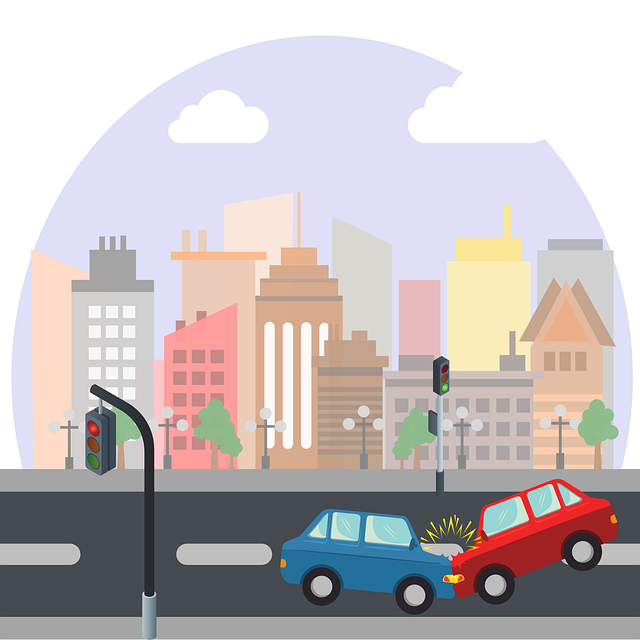
Crashing a financed vehicle can create financial stress, legal concerns, and uncertainty about what steps to take next. What Happens if You Crash a Financed Car With Insurance becomes an important question for anyone dealing with auto loans, insurance policies, or accident claims.
Understanding how insurance works with financed cars helps you stay protected, avoid unnecessary costs, and know exactly what to expect after an accident. This guide covers 20 best facts that clearly explain your responsibilities, how lenders respond, how payouts work, and what happens if the car is totaled or repairable
What Happens if You Crash a Financed Car With Insurance
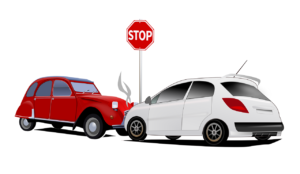
1. Why Crashing a Financed Car Has Bigger Consequences
When you crash a financed car, you must think beyond just the repair bill because the lender still technically owns the vehicle until the loan is paid off. Lenders set insurance requirements and have the right to be paid first from any settlement. This creates additional responsibilities for you, making financed car crashes more complex than standard accidents.
2. What “Financed Car” Really Means
A financed car is a vehicle purchased using a loan, meaning you are the registered owner but the lender holds the financial interest. Until you clear your payments, the lender has legal rights over how the car must be insured and repaired. Understanding this structure helps you know why insurers and lenders closely monitor what happens after a crash.
3. Does Insurance Cover a Crash on a Financed Car?
If you have the required insurance—typically liability, collision, and comprehensive—your financed car will be covered in most crash situations. Coverage depends on the policy terms, claim investigation, and whether the accident falls within insured conditions. Because lenders demand full coverage, most financed car owners are protected unless they let their policy lapse or violate insurance rules.
4. What Happens Immediately After You Crash a Financed Car
After an accident, your first steps are crucial: ensure safety, document the scene, contact your insurer, and notify your lender. Insurance companies begin their investigation quickly, and lenders may require updates about the vehicle’s condition. Early communication reduces delays and ensures that both parties know the correct steps for repair or settlement.
5. Collision Insurance: How It Helps With Financed Car Damage
Collision coverage pays for repairs to your financed car after an accident, regardless of who caused it. This is critical because lenders require vehicles to be restored to safe, roadworthy condition. Collision insurance covers bodywork, structural damage, parts replacements, and paint repairs, helping you avoid major out-of-pocket expenses after an unexpected accident.
6. Comprehensive Insurance: When It Applies to Crashes
Comprehensive insurance covers damages that are not caused by collisions, such as fire, storms, theft, vandalism, or falling objects. Financed cars must carry comprehensive insurance because lenders want to protect the asset from all risks—not just road accidents. If your car is damaged or destroyed by non-driving factors, comprehensive coverage saves you from large financial losses.
7. Liability Insurance: What It Covers—and What It Doesn’t
Liability insurance only pays for damage or injuries you cause to other people, not for repairs to your financed vehicle. This is why liability-only insurance is not allowed for financed cars in Tier 1 countries. If you only had liability insurance during a crash, you would be responsible for fixing or replacing your own car out of pocket, which can be extremely costly.
8. What If the Accident Was Your Fault?
If you caused the crash, your collision coverage handles your car’s repairs while liability coverage handles damage to others. You will still need to pay the deductible, and your insurance rates may increase. Even though you are at fault, lenders do not waive your loan, meaning you continue making payments even while the car is being repaired.
9. What If the Other Driver Was At Fault?
If another driver caused the accident, their liability insurance typically pays for your repairs. Your insurer may still help you initially, then recover costs through subrogation. During this process, lenders expect the car to be repaired promptly because delays can affect the value of their financial asset. You may also receive compensation for rental vehicles or loss of use.
10. What Happens When a Financed Car Is Totaled
A financed car is declared “totaled” when repair costs exceed its value. The insurer pays the vehicle’s Actual Cash Value to the lender first. If the settlement amount does not fully cover your loan, you remain responsible for paying the remaining balance. This often surprises car owners who assume insurance covers everything—especially with newer or rapidly depreciating vehicles.
11. Understanding Actual Cash Value (ACV)
Insurers calculate ACV by evaluating your car’s age, mileage, condition, depreciation, and local market rates. This amount determines how much the insurer pays if your financed car is totaled. ACV is usually lower than what you originally paid, which is why financed car owners often face a “loan gap” if the car’s value dropped quickly after purchase.
12. Why You May Still Owe Money After a Total Loss
If the ACV payout does not cover your remaining loan balance, you must pay the difference yourself. This happens often with new cars because depreciation starts immediately after purchase. Even though the car is gone, the loan contract remains legally active until the lender receives full payment from you or from additional insurance coverage.
13. GAP Insurance: Your Financial Lifesaver
Guaranteed Asset Protection (GAP) insurance covers the remaining loan amount when your ACV payout is lower than your outstanding balance. This prevents you from paying thousands of dollars for a car you can no longer use. GAP insurance is highly recommended in Tier 1 countries for new or high-value vehicles because it offers strong financial protection after major crashes.
14. What If You Don’t Have GAP Insurance?
Without GAP insurance, the responsibility for paying off the leftover loan falls entirely on you. Even if your financed car is totaled, lenders expect full repayment. Many drivers without GAP coverage end up paying large installments for a vehicle they no longer own, making accidents far more stressful and financially damaging.
15. Can the Lender Repossess a Financed Car After a Crash?
If you fail to maintain full insurance or stop making payments after the accident, the lender has the legal right to repossess the vehicle. Even if the car is damaged, lenders can take over ownership and add repossession fees and interest to your loan. Maintaining communication and payments is essential to avoid severe legal and financial consequences.
16. Lender Rules for Repairing a Financed Car
Lenders often require that repairs are done at certified, reputable, or insurer-approved garages. They want guarantees that work meets safety and quality standards. They may also require the use of Original Equipment Manufacturer (OEM) parts to maintain the car’s value. Following these rules ensures the car remains a worthy financial asset.
17. Deductibles: What You Must Pay
When filing a claim, you must pay your insurance deductible before repair work begins. Deductibles vary by policy and directly impact your out-of-pocket cost. Choosing a higher deductible lowers your premium but increases your upfront payment during accidents. Understanding your deductible helps you prepare financially before any crash occurs.
18. How Crashing a Financed Car Affects Future Insurance Rates
After a crash, insurers reassess your risk level, which may lead to higher premiums in the following policy term. Even if the accident was not your fault, some insurers review claim history and adjust rates slightly. Maintaining a clean driving record, completing safety courses, and using telematics programs can help reduce future rate increases.
19. What Happens if You Crash a Financed Car Without Insurance
Driving a financed car without insurance is illegal and extremely risky. You will likely face fines, license suspension, out-of-pocket repairs, and full responsibility for injuries or property damage. Lenders can declare you in loan default and repossess the car. This situation can cause severe financial trouble and should be avoided at all costs.
20. Final Takeaway: Protect Yourself and Your Financed Car
Accidents involving financed cars require strong insurance coverage, quick reporting, and clear communication with both insurers and lenders. Keeping collision, comprehensive, and GAP insurance in place ensures you are financially protected whether the car is damaged, repaired, or declared a total loss. Smart planning reduces stress and prevents unexpected debt after a crash.
FAQ
1. What Happens if You Crash a Financed Car With Insurance?
What Happens if You Crash a Financed Car With Insurance depends on your coverage type. If you have collision insurance, the insurer usually pays for repairs or the car’s value if it’s totaled. However, you must still continue monthly payments because the lender legally owns the vehicle until the loan is fully paid.
2. Does my lender get involved in What Happens if You Crash a Financed Car With Insurance?
Yes, the lender plays a major role in What Happens if You Crash a Financed Car With Insurance because they are the legal owner. When a financed car is damaged or totaled, the insurance company typically pays the settlement directly to the lender first. You may still owe the remaining balance depending on the loan amount and the car’s value.
3. Will I still pay my loan after What Happens if You Crash a Financed Car With Insurance?
In most situations, What Happens if You Crash a Financed Car With Insurance is that you still continue to pay the loan. Even if the car is not drivable or is declared a total loss, the lender expects the remaining balance. Insurance may cover part of it, but without GAP coverage, you might still owe money out of pocket.
4. Does GAP insurance affect What Happens if You Crash a Financed Car With Insurance?
GAP insurance can significantly change What Happens if You Crash a Financed Car With Insurance because it covers the difference between your car’s actual cash value and your outstanding loan balance. If the car is totaled, GAP protection prevents you from paying the leftover amount from your own funds, saving you from major financial stress.
5. Will my insurance premium increase after What Happens if You Crash a Financed Car With Insurance?
Yes, What Happens if You Crash a Financed Car With Insurance often includes a possible premium increase. Insurance companies may raise rates depending on fault, claim amount, driving history, and state laws. Even with good coverage, an at-fault accident typically makes future insurance costs higher, especially if the damage was severe or resulted in a total loss.
6. What happens to my warranty during What Happens if You Crash a Financed Car With Insurance?
During What Happens if You Crash a Financed Car With Insurance, the warranty may not help much. Warranties usually cover mechanical defects, not accident damage. So even if your car is under manufacturer warranty, accidents are handled only through insurance. The warranty becomes relevant again only after repairs are completed and the car returns to normal functioning.
7. Who gets the insurance check in What Happens if You Crash a Financed Car With Insurance?
Insurance companies typically send the payment to the lender in What Happens if You Crash a Financed Car With Insurance. Because the lender owns the vehicle until the loan is cleared, they receive the settlement first. If money remains after paying the balance, the leftover amount may be given to you, but this only happens if the payout exceeds the loan.
8. Can I keep driving the car after What Happens if You Crash a Financed Car With Insurance?
Whether you can still drive the vehicle after What Happens if You Crash a Financed Car With Insurance depends on the damage size. If the car is repairable, insurance will cover repairs, and you can resume driving. If the vehicle is totaled, the insurer declares it unsafe or too expensive to recondition, and you cannot legally drive it.
9. Will my financed car be totaled in What Happens if You Crash a Financed Car With Insurance?
Your financed car may be totaled in What Happens if You Crash a Financed Car With Insurance if repair costs exceed a certain percentage of its value. Insurance companies use state-specific thresholds to determine total loss. If the repair estimate is too high, the insurer pays the car’s market value instead of repairing the vehicle.
10. Can I get a replacement car after What Happens if You Crash a Financed Car With Insurance?
You may qualify for a replacement depending on your policy in What Happens if You Crash a Financed Car With Insurance. Some insurers offer new-car replacement coverage for newer vehicles, but standard policies only pay the car’s actual cash value. If the payout doesn’t cover your loan, you may need additional money or GAP insurance to get another car.
11. Does fault matter in What Happens if You Crash a Financed Car With Insurance?
Yes, fault plays a huge role in What Happens if You Crash a Financed Car With Insurance. If you are at fault, your collision coverage handles repairs but may increase your premiums. If you’re not at fault, the other driver’s insurance should pay, but your lender still requires the damage to be handled professionally because the vehicle is their secured asset.
12. Can insurance deny a claim in What Happens if You Crash a Financed Car With Insurance?
Insurance can deny a claim in What Happens if You Crash a Financed Car With Insurance if you violated policy rules—such as driving intoxicated, using the car for illegal activities, or having lapsed insurance. When denied, you may owe the lender the entire remaining car loan plus repair or replacement costs, which can become extremely expensive.
13. Do I need to report immediately in What Happens if You Crash a Financed Car With Insurance?
Yes, quick reporting is crucial in What Happens if You Crash a Financed Car With Insurance. Insurance companies expect timely notifications to begin investigation and processing. Delayed reporting may reduce your chances of full compensation. Lenders also require immediate updates because the financed vehicle is a secured asset tied to your loan agreement.
14. What documents are needed for What Happens if You Crash a Financed Car With Insurance?
For What Happens if You Crash a Financed Car With Insurance, you typically need photos of the accident, a police report, your insurance policy number, loan details, and repair estimates. Proper documentation ensures the insurance company processes your claim accurately and communicates effectively with your lender, helping you avoid delays or misunderstandings during claim settlement.
15. Can I repair the car myself in What Happens if You Crash a Financed Car With Insurance?
In What Happens if You Crash a Financed Car With Insurance, self-repairing is usually not allowed for financed vehicles. Lenders want professional repairs from approved shops to maintain the car’s value. Insurance companies also require certified repair facilities to ensure safety and quality. Unauthorized repairs can void coverage and violate your loan agreement.
About the Author
Rio is the creator of EMIChecker and writes educational content on EMI calculations, loans, investment concepts, and personal finance tools. Through practical guides and calculators, Rio aims to help readers better understand financial topics and make more informed decisions.
Financial Disclaimer
The information and calculators provided on this website are for educational and informational purposes only and should not be considered financial, investment, tax, or legal advice.
Calculator results are estimates based on the information provided and may vary due to individual circumstances and market conditions.
Always consult a qualified financial professional before making any financial decisions.