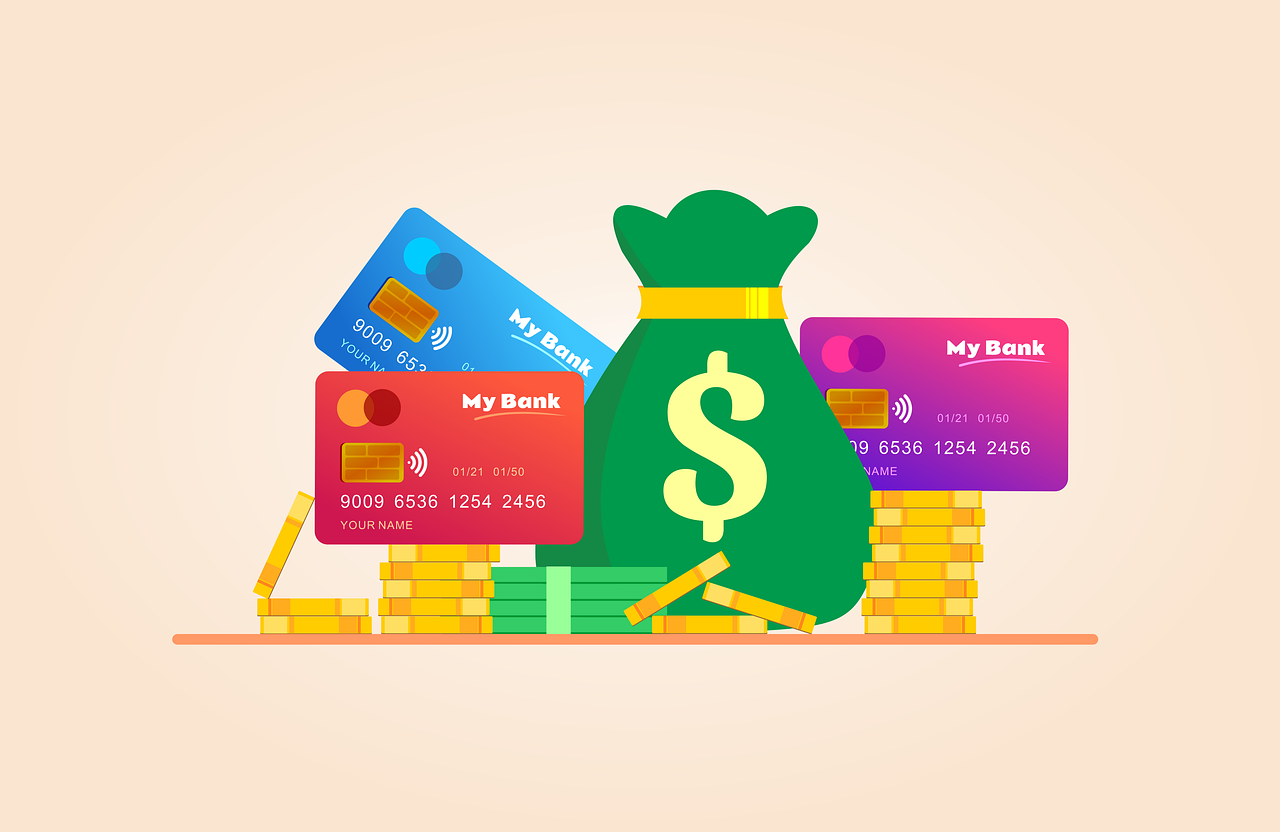
In everyday life, paying for groceries, shopping online, or withdrawing cash has become faster and more convenient with modern banking tools. What is a Debit card .
This question is important because a debit card allows you to access your own money directly from your bank account, making daily transactions simple, secure, and controlled without the risk of falling into debt or paying interest.
As digital payments continue to grow, debit cards have become a trusted financial companion for people of all ages. They offer instant access to funds, wide acceptance, and strong security features, helping users manage spending wisely while enjoying the flexibility of cashless payments in both local and international transactions.
What Is a Debit Card?
1. Introduction to Debit Cards
A debit card is a simple and powerful financial tool that allows you to access money directly from your bank account. It removes the need to carry cash and makes everyday payments faster and safer. From shopping in stores to paying bills online, debit cards have become an essential part of modern life. Understanding how a debit card works helps you manage money better and avoid unnecessary debt.
2. How a Debit Card Works
A debit card works by withdrawing money directly from your linked bank account whenever you make a purchase or payment. When you swipe, insert, or tap your card, the bank checks if you have enough balance and then approves the transaction. The amount is deducted instantly or within a short time. This system helps users spend only what they actually own, not borrowed money.
3. Difference Between Debit Card and Credit Card
The biggest difference between a debit card and a credit card is where the money comes from. A debit card uses your own savings, while a credit card allows you to borrow money from the bank and repay later. Debit cards do not charge interest, making them safer for daily use. Credit cards may offer rewards but can lead to debt if not managed carefully.
4. Types of Debit Cards
Debit cards come in different types to suit various needs. Standard debit cards are used for regular purchases and ATM withdrawals. Contactless debit cards allow tap-and-pay transactions. Virtual debit cards are designed for online shopping and added security. International debit cards can be used abroad for payments and cash withdrawals, making travel easier and more convenient for users.
5. Debit Card vs ATM Card
An ATM card is mainly used for withdrawing cash and checking balances at ATMs. A debit card, however, offers much more functionality. Along with ATM access, it can be used for shopping, online payments, bill payments, and subscriptions. This makes debit cards more versatile and practical for everyday financial activities compared to traditional ATM-only cards.
6. Where You Can Use a Debit Card
Debit cards can be used almost everywhere, including supermarkets, restaurants, fuel stations, and online stores. They also work at ATMs for cash withdrawals and balance inquiries. Many debit cards are accepted internationally, depending on the network. This wide acceptance makes debit cards a reliable payment option for both local and global transactions.
7. Debit Card Daily Spending Limits
Banks set daily spending and withdrawal limits on debit cards to protect users from fraud and overspending. These limits control how much money you can spend on purchases or withdraw from ATMs in one day. Most banks allow users to customize these limits through mobile banking apps, giving better control over finances and improving overall account security.
8. PIN and Security Features
Debit cards come with strong security features to protect your money. A Personal Identification Number, or PIN, is required for ATM withdrawals and many store purchases. Modern debit cards also include EMV chips, OTP verification for online payments, and instant alerts. These features reduce the risk of unauthorized transactions and help users feel safer while using their cards.
9. Contactless Debit Cards
Contactless debit cards allow you to pay by simply tapping the card on a payment machine. This method is fast, convenient, and reduces physical contact. It is especially useful for small-value transactions. Contactless payments are secured with encryption and transaction limits, making them both quick and safe for everyday use in busy environments.
10. Online Shopping With a Debit Card
Debit cards are widely used for online shopping, bill payments, and subscriptions. To complete an online transaction, users usually need card details and an OTP sent by the bank. This extra verification adds security. Online debit card use helps track spending easily and prevents overspending since transactions are limited to the available bank balance.
11. Debit Card Fees You Should Know
While debit cards are generally affordable, some fees may apply. These can include annual maintenance charges, ATM withdrawal fees beyond free limits, and replacement card fees. International usage may also involve extra costs. Knowing these charges in advance helps users avoid surprises and choose the right debit card according to their spending habits.
12. International Use of Debit Cards
Many debit cards can be used internationally for shopping and ATM withdrawals. However, foreign transactions often involve currency conversion fees and additional charges. Banks may require users to enable international usage before traveling. Understanding these conditions helps travelers use debit cards safely abroad without facing declined transactions or unexpected expenses.
13. Debit Cards and Budget Control
Debit cards are excellent tools for budget control because they limit spending to available funds. Since there is no borrowing involved, users are less likely to overspend. Bank statements and mobile apps show transaction history clearly, making it easier to track expenses. This helps build better financial discipline and encourages responsible money management habits.
14. What Happens If a Debit Card Is Lost
If a debit card is lost or stolen, it should be blocked immediately to prevent misuse. Most banks allow instant blocking through customer care or mobile apps. After blocking, a replacement card can be requested. Acting quickly minimizes the risk of financial loss and ensures continued account security without major inconvenience to the user.
15. Debit Card Fraud Protection
Banks provide multiple layers of fraud protection for debit card users. These include transaction alerts, spending limits, OTP verification, and fraud monitoring systems. In many cases, unauthorized transactions can be reported and investigated. While protection exists, users should also follow safety practices like not sharing PINs and monitoring account activity regularly.
16. Linking Debit Cards to Mobile Apps
Debit cards can be linked to mobile banking apps and digital wallets for easier payments. This allows users to check balances, track spending, set limits, and block cards instantly. Mobile integration adds convenience and improves security by offering real-time notifications and control, making debit card usage smarter and more efficient.
17. Cashback and Reward Debit Cards
Some banks offer debit cards with cashback, reward points, or discounts on purchases. These benefits may apply to shopping, fuel, dining, or online payments. While rewards are usually smaller than credit cards, they still add value. Choosing a reward-based debit card can make everyday spending slightly more rewarding without risking debt.
18. Debit Cards for Students and Teens
Debit cards are available for students and teenagers with parental supervision in many banks. These cards help young users learn money management early. Spending limits and monitoring features allow parents to guide responsible usage. Debit cards for students are a safe introduction to digital payments and financial independence.
19. Advantages of Using a Debit Card
Debit cards offer convenience, instant payments, and better spending control. They eliminate the need to carry cash and reduce the risk of debt. With strong security features and wide acceptance, debit cards are ideal for daily transactions. They also provide easy access to banking services through ATMs and digital platforms.
20. Disadvantages and Limitations of Debit Cards
Despite many benefits, debit cards have some limitations. Spending is restricted to available balance, and fraud recovery may take time. They usually offer fewer rewards than credit cards and limited protection in disputes. Understanding these drawbacks helps users decide when a debit card is the right payment option and when alternatives may be better.
FAQS
1. What Is a Debit Card and how does it work in daily life?
What Is a Debit Card is a common question for anyone opening a bank account for the first time. A debit card is a payment card linked directly to your bank account, allowing you to spend only the money you already have. When you swipe or tap it, the amount is instantly deducted, making it a simple and controlled way to manage everyday expenses.
2. What Is a Debit Card used for besides shopping?
What Is a Debit Card often comes up when people think it is only for shopping, but its uses go far beyond that. A debit card can be used for ATM withdrawals, online payments, bill payments, subscriptions, and even international transactions if enabled. It offers convenience while keeping spending limited to your available balance.
3. What Is a Debit Card and how is it different from cash?
What Is a Debit Card becomes clearer when you compare it with cash usage. A debit card provides digital access to your money without carrying physical notes. It is safer because it can be blocked if lost, easier to track through statements, and widely accepted online, where cash simply cannot be used.
4. What Is a Debit Card and who can get one?
What Is a Debit Card is a key question for students and first-time earners. Anyone with a savings or current bank account is usually eligible for a debit card. Banks often issue it automatically when an account is opened, making it accessible to adults, students, and even minors under supervised accounts.
5. What Is a Debit Card and how safe is it to use?
What Is a Debit Card in terms of safety depends on how it is used. Debit cards come with PIN protection, transaction alerts, and daily limits to reduce risk. If used carefully, such as not sharing PINs and monitoring statements, they are considered a secure method for everyday financial transactions.
6. What Is a Debit Card PIN and why is it important?
What Is a Debit Card PIN is something every user should understand. The PIN is a secret number that authorizes transactions and ATM withdrawals. It adds a crucial layer of security, ensuring only the cardholder can access funds. Keeping it confidential helps prevent unauthorized use and financial loss.
7. What Is a Debit Card limit and how does it affect spending?
What Is a Debit Card limit refers to the maximum amount you can spend or withdraw daily. This limit helps control expenses and reduces risk if the card is misused. Banks usually allow users to customize limits, making debit cards a practical tool for budgeting and responsible money management.
8. What Is a Debit Card and can it be used online?
What Is a Debit Card in the online world is a common concern for new users. Most debit cards support online transactions, allowing payments on websites and apps. With features like OTP verification and secure gateways, online usage is convenient while still offering reasonable protection against fraud.
9. What Is a Debit Card and how does international usage work ?
What Is a Debit Card internationally depends on activation and network support. Many debit cards can be used abroad for purchases and ATM withdrawals once international usage is enabled. Exchange rates and fees may apply, so understanding terms beforehand helps avoid unexpected charges while traveling.
Is it possible to establish credit using a debit card?
Users are frequently perplexed by the differences between debit and credit cards. Debit cards don’t create credit because they are paid for with your own money rather than borrowed money. They do, however, promote frugal spending practices, which obliquely promote better financial conduct when subsequently switching to credit products.
11. What Is a Debit Card and what happens if it is lost?
What Is a Debit Card loss scenario is important to prepare for. If your debit card is lost or stolen, it should be blocked immediately through banking channels. Quick action prevents misuse, and banks usually issue a replacement card, restoring access to your account safely and efficiently.
12. What Is a Debit Card chip and how does it improve security?
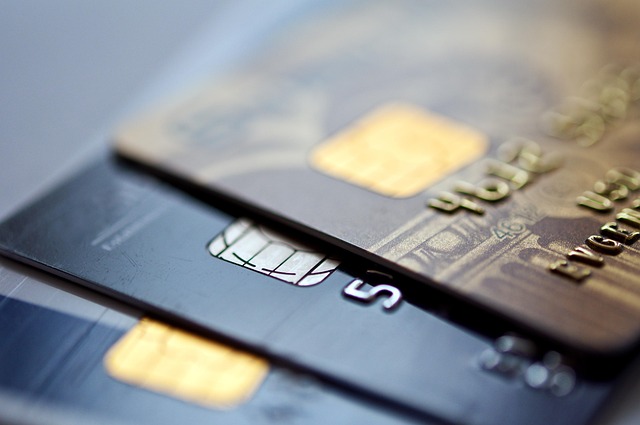
What Is a Debit Card chip refers to the embedded microchip on modern cards. This chip encrypts transaction data, making it harder to clone or misuse. Compared to older magnetic stripes, chip-based debit cards significantly reduce fraud and enhance overall transaction security for users.
13. What Is a Debit Card and how does contactless payment work?
What Is a Debit Card with contactless features means faster transactions. Contactless payments allow you to tap the card on a terminal without entering a PIN for small amounts. This technology speeds up checkout while maintaining security through transaction limits and encryption protocols.
14. What Is a Debit Card and are there any fees involved?
What Is a Debit Card in terms of cost varies by bank and usage. While most debit cards are low-cost, fees may apply for extra ATM withdrawals, international use, or replacement cards. Understanding the fee structure helps users avoid unnecessary charges and manage money more effectively.
15. What Is a Debit Card and how does it help with budgeting?
What Is a Debit Card as a budgeting tool is often underestimated. Since it limits spending to available funds, it prevents overspending and debt. Transaction records and statements also make it easy to track expenses, analyze habits, and maintain better control over monthly finances.
16. What Is a Debit Card and can it be used for subscriptions?
What Is a Debit Card for subscriptions is a practical question today. Many online services accept debit cards for recurring payments. As long as sufficient balance is maintained, subscriptions run smoothly, making debit cards a convenient option without the risk of accumulating unpaid bills.
17. What Is a Debit Card and how fast are transactions processed?
What Is a Debit Card transaction speed is one of its advantages. Most payments and withdrawals are processed instantly, with balances updating in real time. This immediate processing helps users know exactly how much money remains, reducing confusion and improving financial awareness.
18. What Is a Debit Card and is it suitable for beginners?
What Is a Debit Card for beginners makes it one of the best starting financial tools. It is easy to use, widely accepted, and involves minimal risk since it uses existing funds. This simplicity makes debit cards ideal for students and anyone new to managing personal finances.
19. What Is a Debit Card and how does it support cashless payments?
What Is a Debit Card in a cashless economy highlights its importance. Debit cards enable digital payments at stores, online platforms, and service providers. By reducing reliance on cash, they offer convenience, transparency, and faster transactions, aligning well with modern payment habits.
20. What Is a Debit Card and why is it important today?
What Is a Debit Card today reflects changing financial lifestyles. With increasing digital transactions, debit cards provide secure, controlled, and instant access to money. They support daily needs without encouraging debt, making them an essential financial tool for responsible and modern money management.
About the Author
Rio is the creator of EMIChecker and writes educational content on EMI calculations, loans, investment concepts, and personal finance tools. Through practical guides and calculators, Rio aims to help readers better understand financial topics and make more informed decisions.
Financial Disclaimer
The information and calculators provided on this website are for educational and informational purposes only and should not be considered financial, investment, tax, or legal advice.
Calculator results are estimates based on the information provided and may vary due to individual circumstances and market conditions.
Always consult a qualified financial professional before making any financial decisions.